President Donald Trump is defending a controversial $1.776 billion federal compensation fund that could reimburse January 6 defendants and other political allies who claim they were unfairly targeted during the Biden administration, escalating a fierce political and legal battle over the use of taxpayer money for what the White House calls "anti-weaponisation" relief.
The compensation program, announced by the Justice Department this week, emerged from settlement talks tied to Trump's lawsuit against the Internal Revenue Service and Treasury Department over leaked tax records. Administration officials say the initiative is intended to compensate Americans who suffered from alleged political abuse by federal agencies, while critics argue it amounts to rewarding Trump loyalists, including individuals connected to the 2021 Capitol attack.
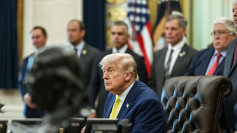
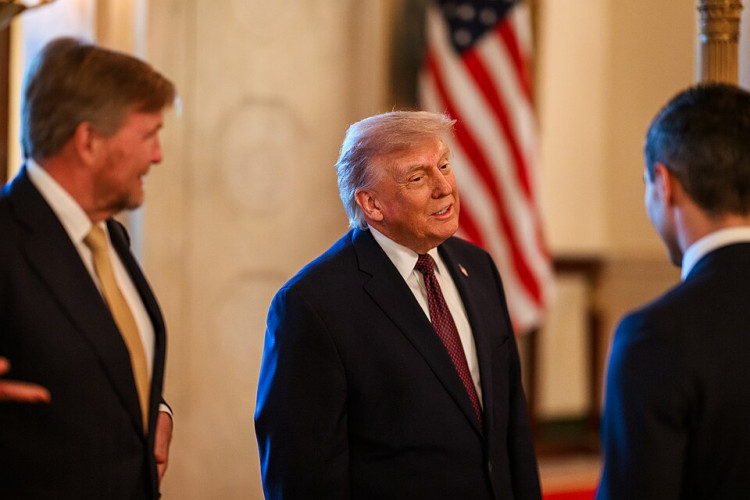
Trump defended the plan during remarks at the White House on Monday. "Reimbursing people who were horribly treated," he told reporters, adding that affected individuals were "getting reimbursed for their legal fees and the other things that they had to suffer."
The proposal immediately triggered backlash from Democrats and ethics watchdogs, particularly because individuals charged or convicted in connection with the January 6 Capitol riot could potentially qualify for payments. More than 1,500 defendants connected to the attack were granted clemency by Trump after he returned to office in January 2025.
The administration has not released a detailed list of eligible recipients, nor has it specified how much any single claimant could receive. Trump himself appeared to distance himself from the operational details of the settlement. "It'll all be dependent on a committee," he said when asked whether violent January 6 offenders could receive compensation. "I didn't do this deal. It was told to me yesterday."
The fund was created as part of negotiations surrounding Trump's lawsuit against the IRS, filed alongside Donald Trump Jr., Eric Trump and the Trump Organization. The lawsuit accused the federal government of failing to prevent the leak of confidential tax records by former IRS contractor Charles Littlejohn, who was later sentenced to prison.
Trump's legal team initially sought $10 billion in damages, though legal analysts widely questioned whether such a figure could survive judicial scrutiny. U.S. District Judge Kathleen Williams had already pressed both sides to explain why the case should continue, noting that Trump, as president, effectively oversees the agencies he was suing.
Acting Attorney General Todd Blanche, who previously represented Trump personally, framed the settlement as part of a broader effort to restore public trust in federal law enforcement institutions.
"The machinery of government should never be weaponised against any American, and it is this Department's intention to make right the wrongs that were previously done while ensuring this never happens again," Blanche said in a statement.
The money will reportedly come from the federal Judgment Fund, a standing Treasury account used to pay government settlements and court judgments. Because the mechanism bypasses the normal congressional appropriations process, opponents say the administration is avoiding direct legislative oversight.
Under the structure outlined by the DOJ, a five-member commission appointed by the Attorney General will review claims and determine payouts, while also issuing formal government apologies in approved cases. The commission is expected to operate through December 2028.
The program's broad language has fueled speculation that beneficiaries could extend beyond January 6 defendants to include prominent Trump allies prosecuted during the Biden administration. Former White House strategist Steve Bannon and former trade adviser Peter Navarro, both convicted of contempt of Congress before later receiving pardons, are among figures whose names have surfaced in public debate surrounding the fund.
Trump has repeatedly defended January 6 defendants publicly. In an earlier interview with Newsmax host Greg Kelly, he described them as "incredible people" who "were treated so unfairly, so horribly," later calling them "patriots."
Democrats reacted furiously to the proposal. Representative Joe Morelle said compensating people convicted of attacking police officers "would be the ultimate betrayal of those who risked, and in some cases gave, their lives protecting Congress and our democracy on January 6th."