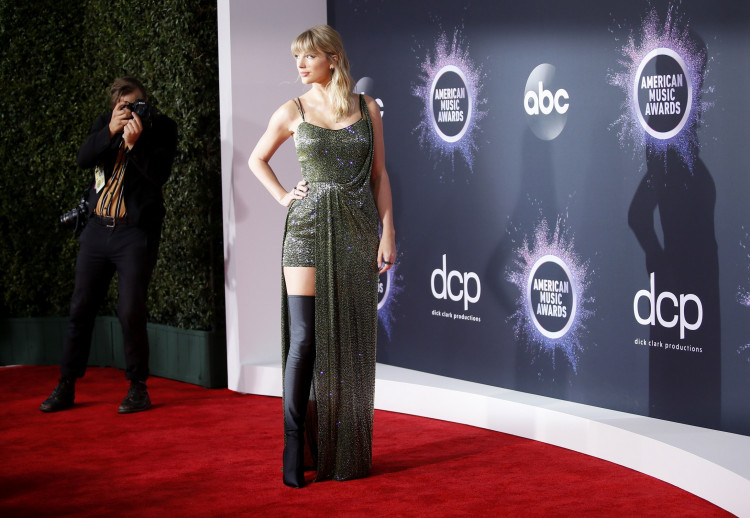
Taylor Swift and Sabrina Carpenter have become the latest targets of internet-fueled celebrity feud speculation after viral "blind item" posts and TikTok commentary suggested tensions were growing between the two pop stars amid Carpenter's rapid rise in the music industry.
Despite the volume of online discussion, there is currently no credible evidence that Swift and Carpenter are engaged in any personal or professional conflict. No major entertainment outlet has reported a dispute, and neither artist has publicly indicated any deterioration in their relationship.
Still, the rumors spread quickly across TikTok and X, illustrating how modern celebrity narratives increasingly develop through algorithm-driven speculation rather than verified reporting.
The latest wave of claims appears tied to a circulating "blind item" alleging the two artists had become "enemies" because of an alleged "protégé rivalry." The post itself provided no sourcing, evidence or direct references, yet rapidly gained traction as fan communities dissected every perceived interaction between the singers.
Online users began framing the story through a familiar entertainment-industry lens: the established global superstar supposedly feeling threatened by a younger artist moving into the mainstream spotlight.
That framing intensified because Carpenter's recent commercial momentum has dramatically elevated her profile.
Swift remains one of the dominant figures in modern music, with record-breaking touring numbers, massive streaming dominance and a global cultural influence that extends far beyond pop music. Carpenter, meanwhile, has spent the last two years transitioning from former Disney Channel performer into a major chart-driving artist with increasing visibility across radio, streaming and social media platforms.
As Carpenter's popularity expanded, comparisons between the two artists became more frequent online, particularly among younger audiences on TikTok.
Much of the "protégé" narrative stems from Carpenter's involvement in Swift's massively successful The Eras Tour, where Carpenter appeared as an opening act during portions of the international tour.
What was initially viewed as a high-profile endorsement from Swift has since been reframed by some internet users into a supposed rivalry narrative, particularly as Carpenter's independent success accelerated afterward.
The speculation reflects a broader tendency within online fan culture to interpret female artists through competitive frameworks, especially when two performers occupy overlapping areas of the pop landscape.
Several TikTok commentators discussing the blind item noted how ambiguity itself fuels engagement.
One widely shared reaction video focused less on the alleged feud itself and more on how unsupported celebrity rumors gain traction once enough users begin building interpretations around them. The creator argued that vague blind items encourage audiences to fill informational gaps with assumptions, theories and fan-driven storytelling.
That process has become increasingly common across entertainment social media ecosystems, where speculation frequently outpaces verified reporting.
Some fans also pointed to Carpenter reportedly liking one of Swift's recent Instagram posts as evidence that the singers remain on positive terms, though social-media activity is often interpreted selectively during online rumor cycles.
Importantly, there are no documented public disagreements between the two artists.
Their professional relationship has remained outwardly cordial throughout Carpenter's rise, and entertainment coverage surrounding their collaborations during the Eras Tour largely emphasized mutual respect and mentorship rather than competition.
The current speculation also arrives at a moment when Carpenter's career trajectory naturally invites comparison with larger pop figures.
Her commercial breakthrough, combined with previous public attention surrounding Olivia Rodrigo discourse earlier in her career, has made Carpenter a recurring subject of online stan-culture narratives that often thrive on perceived interpersonal drama.
Swift herself has spent much of her career navigating similar rumor cycles, particularly involving alleged feuds with other women in entertainment. In recent years, the singer has publicly criticized how the industry and media historically encouraged female artists to be portrayed as rivals for audience attention and commercial dominance.