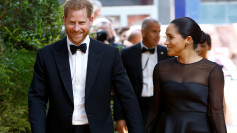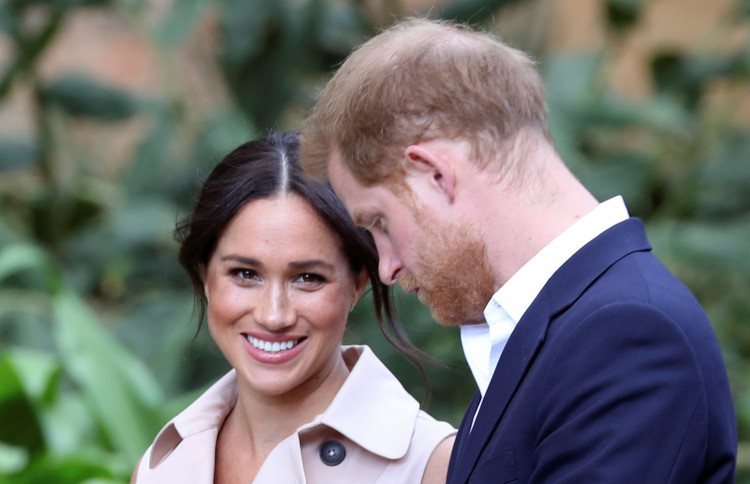
Meghan Markle's decision to conceal the faces of Prince Archie and Princess Lilibet in social media posts has sparked a new debate that extends beyond royal family privacy and into California's evolving legal framework for children featured in online content.
The discussion intensified after the Duchess of Sussex shared photographs celebrating Princess Lilibet's fifth birthday. Consistent with her long-standing approach, Meghan avoided showing her daughter's face directly, posting images taken from behind or at angles that obscured her identity. The posts arrived only days after Meghan spoke publicly in Switzerland about the risks social media poses to children, prompting renewed scrutiny of whether her actions align with her advocacy.
Critics argued that any public sharing of children's images contributes to a digital footprint, while supporters countered that Meghan is demonstrating a measured approach designed to balance family storytelling with privacy protections.
Responding to the criticism, a spokesperson for the duchess defended the strategy and rejected accusations of inconsistency.
"The duchess has always been clear that there is a distinction between sharing moments from her life and exposing her children to public scrutiny," the spokesperson told Newsweek.
The representative added: "By obscuring their faces, she is demonstrating the very principle she advocates for: giving children privacy, agency and protection in an increasingly digital world."
The statement further argued that parents can share aspects of family life while "taking deliberate steps to protect identities, privacy and digital footprint."
Yet child-development specialists say the issue is more complicated than whether a child's face appears in a photograph.
Dr. Sasha Hall, senior educational child psychologist and founder of Hall & Co Educational Psychology Services, told Newsweek that obscuring facial features can provide some protection but does not eliminate privacy concerns.
"Rather than focusing solely on whether a face is visible, parents may benefit from thinking about what information the image reveals and whether their child might be comfortable with it remaining online in years to come," Hall said.
Experts note that photographs can reveal significant personal details even when faces are hidden, including locations, routines, family relationships and lifestyle patterns. For children of globally recognized public figures such as Archie and Lilibet, those concerns can become even more pronounced.
Clinical psychologist and family therapist Dr. Martha Deiros Collado offered a similar assessment.
"It can improve children's safety online if you blur the face on the photo itself," she said, "but it might not do much for their privacy."
The debate has also expanded into legal territory. Online discussions, particularly on Reddit, have focused on whether California's recently enacted protections for children appearing in monetized digital content could influence how Meghan and Prince Harry present their children online.
The speculation centers on Assembly Bill 1880 and Senate Bill 764, California laws that took effect in January 2025. The legislation requires content creators who profit from material featuring minors to set aside a portion of earnings for those children when certain thresholds are met.
Under the rules, protections may apply when at least 30% of a creator's compensated content includes "the likeness, name, or photograph of the minor."
The laws were designed to extend safeguards traditionally provided to child actors into the rapidly growing influencer economy. They do not require a child's face to be visible and make no reference to facial recognition or image obscuration.