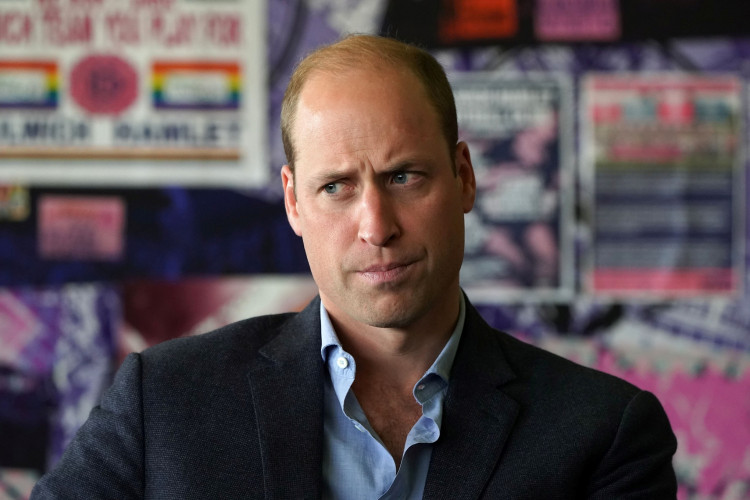
Prince William is expected to take a tougher approach to royal housing arrangements when he eventually ascends the throne, according to reports suggesting the Prince of Wales is preparing a broad review of palace residences, rental subsidies and property privileges enjoyed by non-working members of the royal family.
The reported plans come as scrutiny intensifies over royal finances following a recent review by the National Audit Office (NAO), which examined housing arrangements across the monarchy and highlighted longstanding questions about who benefits from Crown-linked properties and under what terms.
At the center of the debate are Princess Beatrice and Princess Eugenie, the daughters of Prince Andrew, who reportedly occupy residences within royal estates while King Charles covers the associated rental costs through private royal income. Neither princess is a working royal, and both maintain careers and family lives outside the formal structure of the monarchy.
While Kensington Palace has not announced any changes, sources cited by The Sunday Times said William intends to examine whether existing arrangements remain appropriate for a monarchy that has repeatedly pledged to become smaller, more transparent and more financially accountable.
The issue has gained prominence as royal property holdings increasingly attract public and political attention. The NAO's review drew attention not only to housing subsidies but also to arrangements involving Prince Andrew, who was found to have sublet properties connected to the Royal Lodge estate.
Although the report did not allege wrongdoing, it reignited broader questions about how royal residences are allocated and whether existing practices align with modern expectations of accountability.
According to figures referenced in the review, rental levels associated with some royal properties have already increased under King Charles. The reported rent attached to Princess Beatrice's residence has risen from approximately 60% of market value to 68%, while Princess Eugenie's arrangement has reportedly increased from 50% to 64% of market value.
The key issue, however, is that the sisters themselves are not believed to be paying those costs directly.
The discussion reflects a broader transformation underway within the House of Windsor. Since becoming King, Charles has pursued what aides frequently describe as a "slimmed-down monarchy," reducing the number of active working royals and seeking to demonstrate greater financial discipline.
William appears likely to continue that approach.
Sources familiar with the reported plans told The Sunday Times that the Prince of Wales wants the institution to be "fit for purpose in the modern era" and intends to "look under the hood" of how royal assets are managed. Those comments suggest housing arrangements could become part of a wider examination of royal spending and operational efficiency.
William has previously hinted at a reform-minded outlook. During an interview with actor Eugene Levy, he remarked: "Change is on my agenda."
The future king has also publicly discussed his own housing arrangements. He has emphasized that he pays rent for Forest Lodge, a point some royal commentators interpreted as evidence that he recognizes the growing sensitivity surrounding royal property benefits.
The NAO review has also attracted attention from lawmakers and government watchdogs. Baroness Hodge of Barking, the former chair of Parliament's Public Accounts Committee, questioned aspects of the existing system during an interview with Times Radio.
"I cannot for the life of me understand why any members of the Royal Family were able to charge rent [and] make money out of properties that they got on lease," she said, referring to findings connected to Prince Andrew's property arrangements.