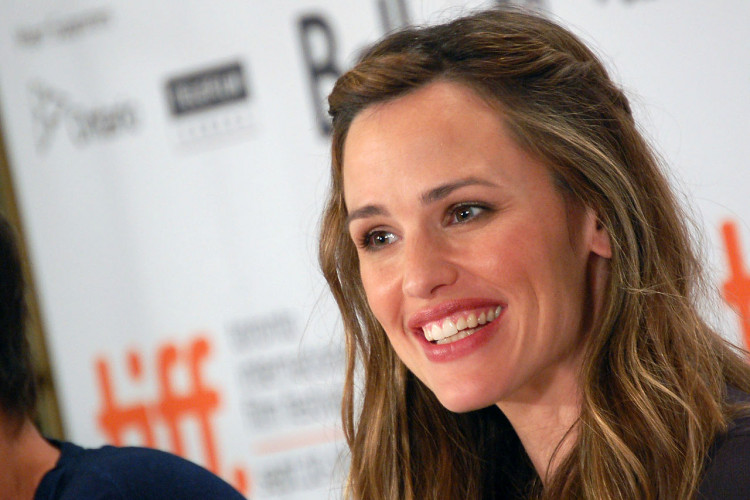
Jennifer Garner is offering one of her most candid assessments yet of life after her divorce from Ben Affleck, describing the emotional disruption that followed the end of their marriage and the challenges of rebuilding a family structure while raising three children under intense public scrutiny.
The actress, speaking in a newly published interview with InStyle, reflected on the years surrounding her split from Affleck, a separation that became one of Hollywood's most closely watched breakups. While the former couple has often been praised for maintaining an unusually cooperative co-parenting relationship, Garner suggested that the reality behind that public image was far more complicated.
"When my kids were little, I worked so little, and then we had such an upheaval in our family, that I really hardly worked for a long time," Garner told InStyle, describing how family responsibilities reshaped both her career and personal life following the separation.
Garner and Affleck, who married in 2005, announced their separation in June 2015, just one day after their tenth wedding anniversary. They share three children-Violet, 20, Finn, 17, and Samuel, 13-and formally finalized their divorce several years later after a lengthy transition period focused on parenting.
Their split unfolded differently from many celebrity divorces. Instead of public legal battles or competing media narratives, both actors repeatedly emphasized cooperation. In their original separation statement, they pledged to move forward "with love and friendship," a phrase that became central to public perceptions of their post-marriage relationship.
Yet Garner now says maintaining stability required significant personal sacrifice. Reflecting on the experience, she told InStyle: "You have to raise yourself at the same time. And just be so radically kind to yourself about how imperfect it is."
She added: "There's no such thing as balance. There's no such thing as doing it right."
The comments arrive as Garner prepares for the release of The Five Star Weekend, a television adaptation of Elin Hilderbrand's bestselling novel. The project marks another major professional chapter for the actress after spending years balancing work with family obligations.
The interview also revives interest in the unusual dynamic that has persisted between Garner and Affleck long after their marriage ended. In a widely discussed 2016 interview with Vanity Fair, Garner spoke warmly about her former husband despite the separation.
"I didn't marry the big fat movie star; I married him," she said. "And I would go back and remake that decision. I ran down the beach to him, and I would again."
In the same interview, she described Affleck as "the love of my life" and emphasized the enduring connection created by parenthood. "We still have to help each other get through this, he's still the only person who really knows the truth about things. And I'm still the only person that knows some of his truths."
Affleck has expressed similar regret about the marriage's collapse. During a 2020 appearance on Good Morning America, he acknowledged the emotional impact of the divorce.
"I didn't want to get divorced," Affleck said. "It upset me because it meant I wasn't who I thought I was and that was so painful and so disappointing in myself."
He added that he was "very lucky she is the mother of my children" and stressed the importance of showing their children that parents can "respect one another and get along, whether they're together or not."
The years following the divorce were marked by additional challenges, including Affleck's public struggles with alcohol addiction. Garner became a prominent figure in that chapter when she was photographed driving him to a treatment facility in 2018, an image that reinforced her reputation as a steady presence despite the end of their marriage.
More recently, Garner has spoken about the realities of raising children across two households. Appearing on the One Nightstand podcast earlier this year, she described the adjustments that occur when parenting responsibilities are divided.
"When your kids grow up in two separate households, I become mum and dad, and he becomes dad and mum," she said. "You kind of can't help it, right? Because you don't have the benefit of both sides, the yin and yang being in the same house."
She acknowledged there was "a little bit of loss in that," but said the experience ultimately taught her to let go of unrealistic expectations about parenting and control.