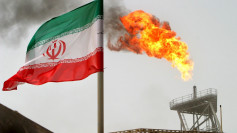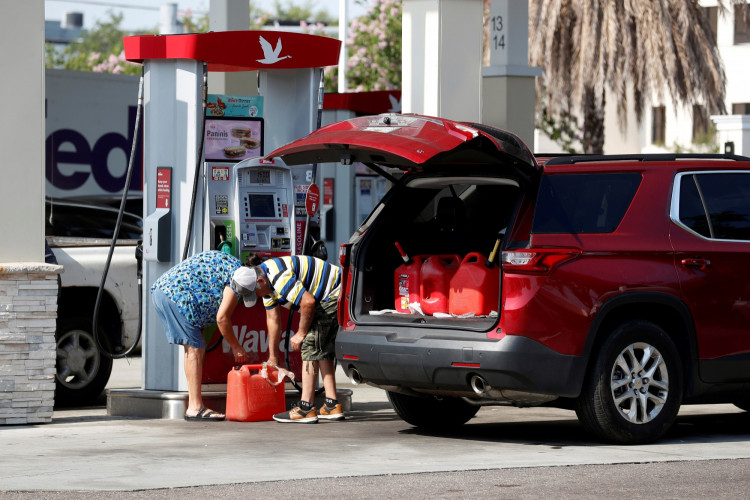
American drivers are beginning to see relief at the pump after gasoline prices slipped below $4 a gallon nationally, as oil markets continued to retreat following the U.S.-Iran agreement aimed at ending hostilities and reopening the Strait of Hormuz.
According to AAA, the national average price for regular gasoline fell to $3.9990 per gallon, marking a symbolic milestone after months of energy-market volatility tied to conflict in the Middle East. The decline comes as crude oil prices continue to move lower on expectations that global supplies will stabilize if shipping through the Strait of Hormuz resumes.
The drop follows President Donald Trump's signing of a memorandum of understanding with Iran on Wednesday. The agreement is designed to halt military hostilities and launch a new round of negotiations focused on Iran's nuclear program while accelerating the reopening of one of the world's most critical energy corridors.
Energy traders reacted quickly to the prospect of renewed oil flows. By mid-morning Thursday:
- Brent crude fell 1.4% to $78.46 per barrel.
- West Texas Intermediate dropped more than 2.3%, hovering near $75 per barrel.
- U.S. gasoline prices slipped below the $4 threshold.
- Diesel prices remained above $5 per gallon nationwide.
Trump emphasized the importance of restoring global energy shipments when discussing the agreement. He warned that prolonged disruptions could have created severe supply shortages.
"There are reserves all over the world, and we would really run out, and there'll be a time when you wouldn't be able to get it," Trump said. He added that such a scenario would have been "bedlam."
The Strait of Hormuz handles a significant share of the world's oil exports, and fears that the waterway could remain blocked had driven sharp swings in energy markets throughout the conflict. Analysts had warned that continued disruptions could drain inventories and push fuel prices substantially higher.
Even as markets welcomed the ceasefire agreement, longer-term questions remain about energy demand. The International Energy Agency on Wednesday released a revised outlook showing weaker-than-expected global oil consumption growth, citing the impact of elevated prices and transportation disruptions on economic activity.
The Paris-based agency said demand growth has slowed considerably compared with projections issued earlier this year. Higher energy costs have weighed on transportation and industrial consumption in several regions, contributing to a more cautious outlook for global fuel use.
At the same time, the IEA sees supply expanding faster than demand once geopolitical tensions ease. The agency's latest projections suggest global oil production could significantly outpace consumption growth in 2027, potentially creating one of the largest supply surpluses in recent years.
According to the IEA's forecast:
- Global oil supply could increase by roughly 8 million barrels per day next year.
- Global demand growth is projected at about 2 million barrels per day.
- A widening supply-demand gap could place additional downward pressure on prices.