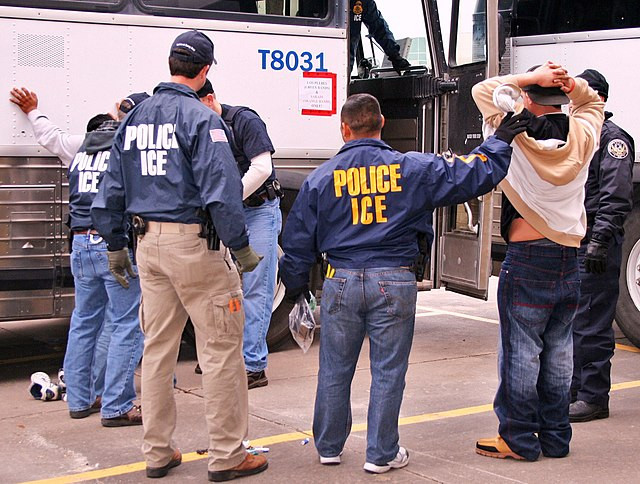
An estimated 145,000 U.S.-born children have been separated from a parent due to immigration detention since January 2025, according to new research cited by Brookings Institution scholars, intensifying concerns among pediatricians, therapists and educators who say they are witnessing a growing mental health crisis among affected families.
The findings, reported in a joint investigation by KFF Health News and CBS News, come as the Trump administration expands immigration enforcement efforts nationwide. Researchers estimate that roughly 205,000 children overall have experienced the detention of a parent during the period, with the majority holding U.S. citizenship.
Mental health professionals say the consequences are becoming increasingly visible in schools, clinics and homes. Children who lose a parent to detention are reportedly exhibiting signs of anxiety, depression, social withdrawal and developmental regression, while some struggle with sleep, eating and academic performance.
One of those children is Damian Zermeño, a California teenager whose father, Saúl Zermeño, was deported after attending a routine Immigration and Customs Enforcement check-in in October 2025. According to KFF Health News, Damian's reaction was immediate.
"I thought it wasn't true," Damian told KFF Health News. "I just went to my room. I didn't want to leave. I didn't even want to eat."
Religious and community leaders working with immigrant families describe similar experiences. The Rev. Tanya Lopez of Downey Memorial Christian Church told KFF Health News that the emotional impact is often evident during visits with affected families.
"You can just see it in their faces; it's almost like the light has been dimmed in their eyes," Lopez said.
Because no federal agency systematically tracks how many children lose a parent through detention, Brookings researchers developed an estimate using detention records, census data and demographic modeling. Their analysis concluded that approximately 27% of individuals detained through interior immigration arrests were parents.
According to Brookings, the estimates include:
- Approximately 205,000 children affected by parental detention
- About 145,000 U.S.-citizen children
- Roughly 22,000 citizen children with no resident parent remaining in the household
Other researchers have produced lower figures while still documenting significant impacts. ProPublica, citing detention records obtained through litigation, reported that at least 11,000 American children experienced parental detention during the administration's first seven months. The publication also reported that deportations involving mothers of U.S.-citizen children were occurring at substantially higher rates than during the previous administration.
Medical experts say the separation of children from primary caregivers can trigger what is commonly known as toxic stress. According to KFF Health News, prolonged exposure to severe stress during childhood has been associated with elevated risks of depression, anxiety disorders, developmental delays and long-term health problems.
Sofia Mendoza, a therapist serving immigrant families in Los Angeles County, told KFF Health News that children frequently exhibit emotional and physical symptoms following a parent's detention. Those symptoms can include fear, anger, stomach pain and regression to earlier childhood behaviors.
Academic research cited by the American Immigration Council has documented similar outcomes. A 2010 study found that most children affected by immigration-related parental arrests experienced multiple adverse behavioral changes within six months. A separate 2020 study linked the detention or deportation of a family member to higher rates of suicidal thoughts, alcohol use and aggression among Latino adolescents.
The Department of Homeland Security disputes claims that immigration enforcement policies intentionally separate families. In a statement to KFF Health News, DHS said ICE provides detained parents with options regarding the care of their children and allows them to designate trusted caregivers within the United States.
Advocacy groups have challenged that characterization. A report by the Women's Refugee Commission and Physicians for Human Rights found that some deported parents interviewed in Honduras said they were not adequately asked about their children before removal proceedings were completed.