A California ballot measure that would impose a one-time 5% tax on billionaires has officially qualified for a statewide vote, setting up a high-stakes battle over wealth, taxation and the future of Silicon Valley as some of the state's richest residents increasingly establish roots elsewhere.
The proposal, backed by the Service Employees International Union-United Healthcare Workers West and supported by prominent Democrats including Senator Bernie Sanders and Representative Ro Khanna, would apply to roughly 200 billionaires with ties to California. Supporters estimate the measure could generate as much as $100 billion for healthcare, public education and food assistance programs.
The initiative arrives as concerns about billionaire migration and corporate relocation continue to shape California's political and economic debate. Critics argue the tax could accelerate the departure of entrepreneurs, investors and technology executives who have already been expanding their presence in lower-tax states such as Florida and Texas.
Under the proposal, billionaires would face a one-time tax equal to 5% of their net worth as of the beginning of 2026. The measure would apply to stocks, business interests and other assets, even if individuals relocate after the valuation date.
According to the state's nonpartisan Legislative Analyst's Office, real estate holdings would be exempt because property taxes are already assessed separately. Taxpayers would also be allowed to spread payments over five years.
Supporters contend the measure would provide a substantial source of funding at a time when California faces growing fiscal pressures and healthcare systems are confronting budget challenges following federal spending reductions.
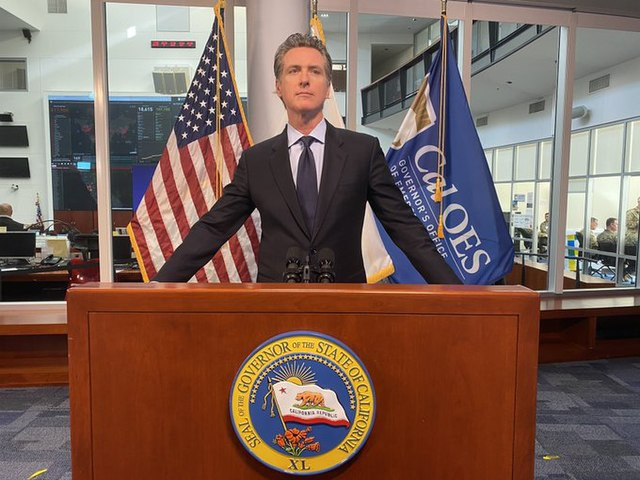
Opposition, however, extends beyond business groups. California Governor Gavin Newsom and former presidential candidate Andrew Yang have publicly raised concerns that the proposal could undermine the state's competitiveness and encourage wealthy residents to leave.
Several high-profile investors and technology leaders have voiced similar warnings.
Among the critics are:
- Anduril co-founder Palmer Luckey
- Sun Microsystems co-founder Vinod Khosla
- Pershing Square founder Bill Ackman
• Palantir co-founder Peter Thiel
Ackman argued that a wealth tax could "effectively represent an expropriation of private property and have many unintended and negative consequences."
Khosla has also warned that taxing accumulated wealth rather than income could encourage entrepreneurs and investors to move capital outside California.
The debate has intensified as reports emerge of prominent technology figures acquiring increasingly significant real estate holdings in Florida. Meta founder Mark Zuckerberg and his wife, Priscilla Chan, are reportedly purchasing a waterfront estate on Indian Creek, an exclusive Miami-area enclave often referred to as the "billionaire bunker."
The community has attracted some of the country's wealthiest residents, including Amazon founder Jeff Bezos, who has expanded his property holdings there in recent years.
Google co-founder Larry Page has also been linked to major South Florida purchases. Reports indicate that entities associated with Page acquired multiple properties in Miami's Coconut Grove neighborhood for a combined value exceeding $170 million over recent months.
Real estate professionals say interest from wealthy Californians has increased sharply as uncertainty surrounding future tax policy grows.
Danny Hertzberg of the Jills Zeder Group, who participated in one of Page's transactions, said affluent California buyers have been actively seeking opportunities in Florida's luxury property market.