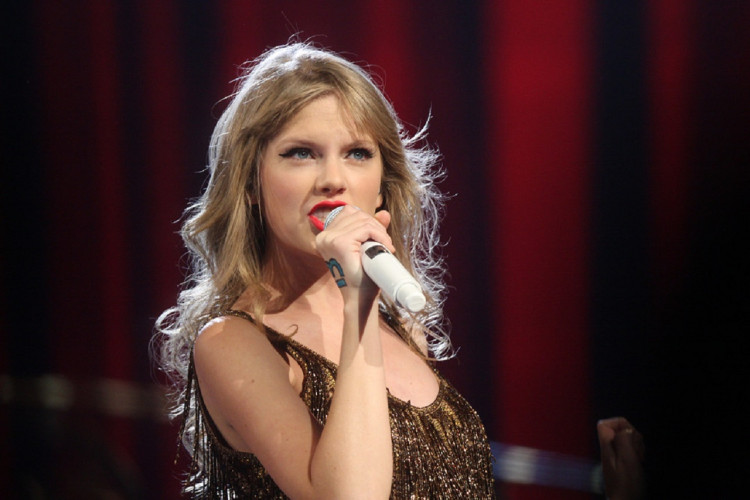
Taylor Swift's private aviation habits are once again drawing scrutiny after newly reported flight data showed her Dassault Falcon 7X completed 81 flights and generated an estimated 580 metric tons of carbon emissions in less than three months, reigniting a debate over celebrity travel, climate responsibility, and the environmental footprint of private aviation.
The renewed attention comes as speculation surrounding Swift's future wedding plans with NFL star Travis Kelce continues to circulate and as lawmakers in Washington debate tax policies that critics say continue to benefit owners of private aircraft. While Swift's representatives have not commented on the latest figures, environmental advocates argue the numbers highlight a broader issue extending far beyond a single celebrity.
According to flight-tracking data cited by the Daily Mail, Swift's Falcon 7X returned to active service on March 2 after undergoing a lengthy maintenance and refurbishment program in Little Rock, Arkansas. Since then, the aircraft has accumulated 169 flight hours, consumed approximately 60,560 gallons of fuel, and generated emissions exceeding those recorded during portions of her global Eras Tour.
The aircraft's pace of operation has accelerated throughout the spring and early summer:
- March: 4 flights
- April: 19 flights
- May: 31 flights
- June: 26 flights by late month
The reported fuel bill has already surpassed $363,000, according to the outlet.
The jet itself has become part of the story. Following nine months of maintenance, the aircraft returned with a new paint scheme and a new Federal Aviation Administration registration number. The overhaul reportedly included a required 2C inspection and landing gear work, with the overall project estimated to cost roughly $15 million.
Several of the reported flights were tied to high-profile appearances, including travel between Los Angeles and New York. Swift was also recently seen boarding the aircraft near her Rhode Island residence, fueling additional media speculation about private gatherings and wedding-related events.
The environmental impact figures have generated the strongest reaction. The estimated 580 metric tons of emissions attributed to the aircraft since March reportedly exceed the 505 metric tons associated with travel during Swift's Eras Tour, which spanned 152 performances across 54 cities.
Environmental advocates argue the issue extends beyond one entertainer and reflects the disproportionate carbon footprint associated with private aviation.
Chuck Collins, director of the Program on Inequality and the Common Good at the Institute for Policy Studies, described private aircraft as "the least defensible, most irresponsible form of transportation from a global pollution point of view."
Collins added: "The super emitters, the billionaire class, of which she is now a member, are burning up the Earth at a pace that is thousands of times that of ordinary people."
The debate has increasingly focused on whether carbon offset programs adequately address the environmental costs of private travel. Collins dismissed that approach, saying: "The offsets are symbolic, or greenwashing at best."
"A warming planet cannot sort out little offset deals. That is not how we get to a livable planet," he added.
Researchers studying aviation emissions say the broader industry faces similar criticism. Daniel Sitompul, an associate researcher at the International Council on Clean Transportation, said Swift's reported emissions were "pretty high" and "definitely above average."
Sitompul noted that many private aviation routes could be replaced by commercial flights.
According to his analysis, roughly 80% to 90% of private jet routes could be served by direct commercial alternatives, potentially reducing emissions significantly.
Swift's team has previously challenged assumptions about flight attribution. In 2024, a spokesperson stated that she "regularly loans" the aircraft to others and argued that "to attribute most or all of these trips to her is blatantly incorrect."
The controversy has occasionally moved beyond online criticism. In 2024, two Just Stop Oil activists were convicted after breaching security at Stansted Airport while believing Swift's aircraft was located there. During that case, a judge observed: "What greater publicity could there be than anything related to Taylor Swift."