Russia is reportedly exploring the unprecedented possibility of importing fuel to stabilize domestic supplies after a sustained Ukrainian campaign against refineries, oil depots and fuel infrastructure intensified pressure on the country's energy network, according to reports from Russian media and government officials.
The discussions come as Crimea, the peninsula annexed by Russia in 2014, faces its most severe fuel disruption in years. Authorities have halted certain civilian fuel sales, imposed emergency conservation measures and acknowledged growing challenges tied to Ukrainian strikes targeting energy facilities across occupied territory and southern Russia.
According to Russian newspaper Vedomosti, officials raised the possibility of fuel imports during a meeting chaired by Deputy Prime Minister Alexander Novak. The report, citing two unnamed sources, suggested Moscow is assessing options to address mounting disruptions caused by attacks on refining capacity and fuel transportation infrastructure.
If implemented, the move would represent a notable shift for one of the world's largest oil producers, which has historically been a major exporter rather than an importer of petroleum products.
The pressure is becoming increasingly visible at the regional level. Reuters reported that several Russian regions have experienced fuel shortages, higher prices and extended queues at gas stations as supply chains come under strain.
In Crimea, Kremlin-appointed regional leader Sergey Aksyonov announced that fuel sales to non-state companies and private consumers would be suspended indefinitely.
The restrictions, Aksyonov said, were necessary to "ensure the functioning and security of the Republic of Crimea."
The measures have expanded beyond fuel rationing. Authorities in Sevastopol announced emergency conservation policies that include:
- Suspension of public transportation after 10 p.m.
- Earlier closures for major shops and restaurants.
- Reduced street lighting during parts of the day.
- Additional energy-saving measures across public facilities.
The developments underscore the growing effectiveness of Ukraine's long-range strike campaign, which has increasingly focused on Russia's energy infrastructure rather than solely military targets.
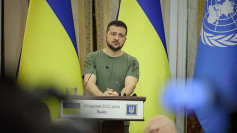
Ukrainian President Volodymyr Zelensky said Sunday that recent operations targeted an oil depot in Crimea and an oil transportation facility in Russia's Krasnodar region.
"Russia understands only strength, and our long-range strength is certainly working for peace," Zelensky said.
The attacks follow what appeared to be one of Ukraine's most significant strikes on Moscow-area energy infrastructure since the war began. Last week, Ukrainian drones reportedly struck the Kapotnya refinery, located roughly 10 miles from the Kremlin, sending large plumes of smoke into the sky above the Russian capital.
Kyiv framed the operation as retaliation for Russian attacks against Ukrainian civilian and cultural sites.
"This is a fully justified response to Russian attacks on our cities and communities, and another important result of our warriors' work against facilities that sustain Russia's war machine," Zelensky wrote in a social media post.
"In recent days, all of our partners have noted the precision and effectiveness of our mid-range strikes and long-range sanctions. It is time the war ended, and Russia must take the necessary steps in diplomacy," he added.
The energy disruptions arrive at a sensitive moment for Moscow. Oil exports remain one of Russia's most important sources of revenue, helping finance government spending and military operations. Repeated strikes on refineries, storage facilities and transportation networks have forced Russian authorities to divert resources toward infrastructure protection while attempting to maintain fuel availability for civilians and industry.
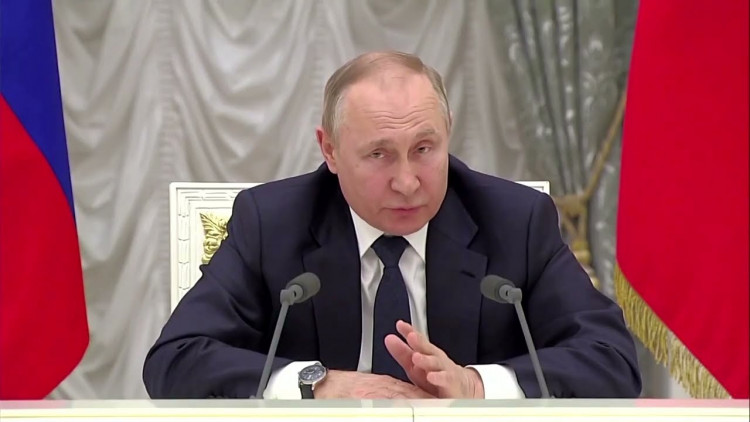
Russia has signaled that it intends to respond with additional military action. Foreign Minister Sergei Lavrov warned last week that Moscow would continue large-scale attacks against targets it views as supporting Ukraine's military operations.
"It is no coincidence that the president announced some time ago, after yet another Kyiv terrorist attack, that we will now conduct massive group strikes on a regular basis against targets whose condition directly affects the combat readiness of the Ukrainian Armed Forces," Lavrov said.