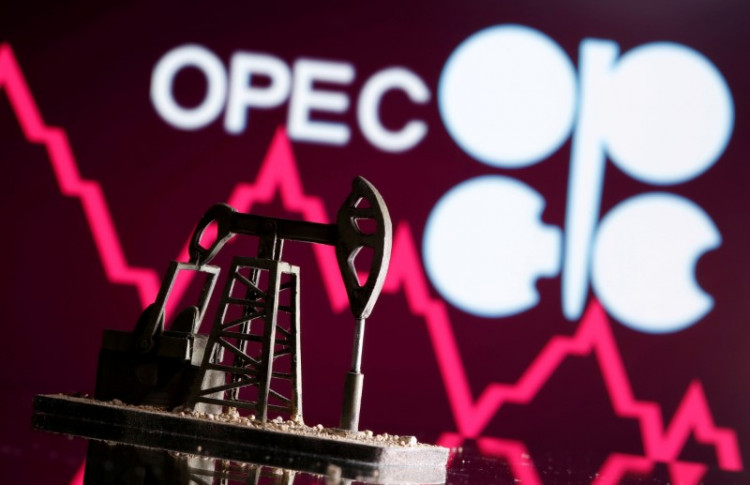
Iraq is weighing whether to remain in OPEC as the country presses for significantly higher oil production quotas following severe economic disruptions caused by the Iran conflict, according to Reuters. The move would represent a major challenge for the producer group, as Iraq is OPEC's second-largest oil producer and one of its most influential members.
The debate comes after months of export disruptions during the Iran war, when shipping through the Strait of Hormuz-the route for nearly all Iraqi crude exports-was severely affected. The interruption sharply reduced Iraq's oil production and export revenue, intensifying pressure on government finances in a country heavily dependent on petroleum income.
A senior Iraqi Oil Ministry official told Reuters that Baghdad's preferred option remains negotiating larger production quotas within OPEC rather than leaving the organization outright. However, the official warned that Iraq's patience has limits if the group refuses to adjust its production targets.
"Saudi Arabia and other OPEC allies should treat this matter with the utmost seriousness. Failing that, Iraq will be compelled to consider all available options," the official said.
The Iraqi government has also outlined an ambitious long-term production strategy. Government spokesperson Haider al-Aboudi said Baghdad is working to restore export capacity following the conflict and "aims to raise oil production to 7 million barrels per day over the coming years." Achieving that objective would require significantly more flexibility under OPEC's production framework.
The latest tensions emerge only weeks after OPEC suffered another setback when the United Arab Emirates announced its withdrawal from the organization. The departure followed months of reported disagreements over production restrictions and reflected growing differences among major producers regarding how quickly oil output should expand.
In a statement carried by state-run news agency WAM, the UAE said, "This decision reflects the UAE's long-term strategic and economic vision and evolving energy profile, including accelerated investment in domestic energy production, and reinforces its commitment to a responsible, reliable, and forward-looking role in global energy markets."
The UAE added that, "Following its exit, the UAE will continue to act responsibly, bringing additional production to market in a gradual and measured manner, aligned with demand and market conditions." At the same time, Abu Dhabi has accelerated construction of a major pipeline expansion linking its oil fields to Fujairah on the Gulf of Oman, allowing more exports to bypass the strategically vulnerable Strait of Hormuz.
The project is expected to substantially increase the UAE's export capacity beyond the current pipeline's approximately 1.8 million barrels per day, strengthening its ability to continue exports during periods of regional instability.