A growing majority of Americans hold a negative view of the U.S. economy and expect conditions to deteriorate further, according to a new CNBC poll that found widespread dissatisfaction with President Donald Trump's handling of economic issues as consumers continue adjusting their spending to cope with higher living costs.
The survey, released Friday by CNBC, found that 61% of respondents are pessimistic about both current economic conditions and the outlook ahead-the highest level of pessimism recorded in the poll since December 2023. Only about one-quarter of respondents described themselves as optimistic, while many also expressed concern that the economy could weaken further before the 2026 midterm elections.
The findings point to a challenging political backdrop for the White House, with voters increasingly reporting that inflation and household costs continue to shape their financial decisions despite broader debates over economic policy.
Micah Roberts, a partner at Public Opinion Strategies, the Republican polling firm involved in the CNBC survey, said the results reflect growing voter unease.
"More voters expect things to get worse by a 41/29% margin, leaving the electorate in a distinctly sour mood heading into the midterm election cycle," Roberts told CNBC.
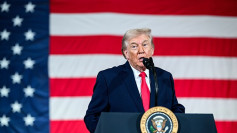
The poll also found declining confidence in President Trump's economic leadership. According to CNBC, 60% of respondents disapproved of Trump's handling of the economy, while 38% approved, marking the weakest economic approval rating recorded for Trump during his political career.
Consumer behavior reflected similar concerns. Nearly half of those surveyed said they have begun cutting spending on necessities as rising prices continue to strain household budgets.
According to the CNBC poll:
- 61% said they are pessimistic about the economy.
- 25% described themselves as optimistic.
- 60% disapproved of Trump's handling of the economy.
- 38% approved of his economic performance.
- 47% said they are purchasing fewer essential goods, including food and medical care.
- Roughly two-thirds reported reducing spending on non-essential purchases such as dining out.
Separate consumer data cited by CNBC suggests those behavioral changes are becoming increasingly visible in retail sales.
A Bain & Company analysis using NielsenIQ grocery data found that grocery unit purchases declined 1.8% in June compared with the same month a year earlier, reversing the modest 0.1% increase recorded in June 2025. The figures indicate consumers are buying fewer grocery items even as overall food prices remain elevated.
Kurt Grichel, head of Bain's America retail practice, said shoppers are feeling the cumulative effect of years of price increases.
"That big grocery stock up trip that costs you $300 in 2019, now costing you $400," Grichel told CNBC.
He added that higher-income households are no longer insulated from rising prices.
"Even that upper-income consumer, you're talking a big enough absolute dollar change that people start to feel a little bit of that sticker shock and start to shop around," Grichel said.
Bain & Company identified several factors contributing to continued consumer pressure, including persistent grocery inflation, elevated fuel costs and reductions in Supplemental Nutrition Assistance Program (SNAP) benefits implemented by the Trump administration.
The firm's Consumer Pulse Wave survey, conducted in May, reached similar conclusions about changing spending habits. According to Bain, four out of five Americans are actively trying to reduce spending, while more than one-quarter have specifically cut grocery purchases. More than half reported switching to lower-cost brands, and 49% said they are simply buying fewer items overall.