Oil prices fell Wednesday as an unexpected increase in U.S. fuel inventories and Saudi Arabia's effort to reroute crude exports through Oman eased some of the immediate supply anxiety that had pushed prices higher a day earlier.
Brent crude, the international benchmark, fell 1.29% to $107.25 a barrel at 8:29 a.m. ET. West Texas Intermediate, the U.S. benchmark, dropped more than 2% to $103.65, reversing part of Tuesday's advance.
The pullback followed American Petroleum Institute data showing U.S. crude-oil, gasoline and distillate inventories all increased last week, Reuters reported. Rising stockpiles provided the market with an additional supply cushion as traders weighed disruptions to Saudi exports and continuing hostilities in the Middle East.
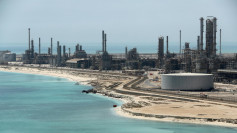
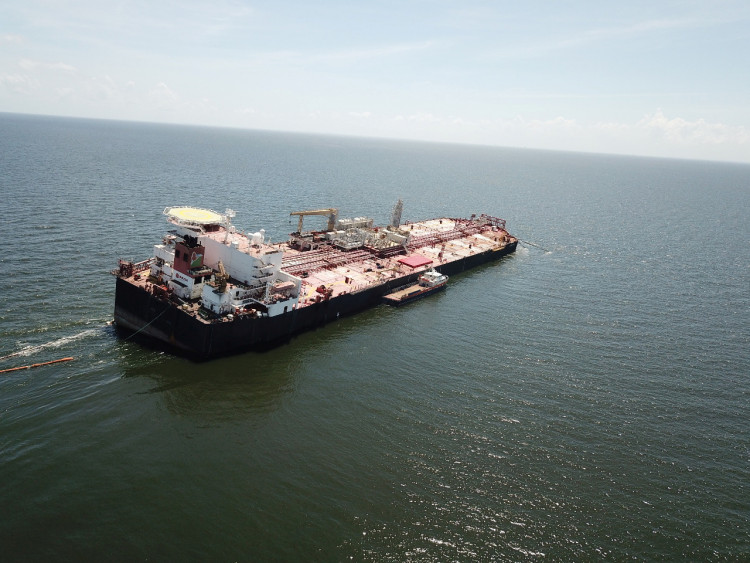
Saudi Arabia, meanwhile, has offered customers an alternative route for crude shipments through ship-to-ship transfers off Oman's Sohar port, according to Reuters. The arrangement could help Riyadh maintain some exports while its damaged East-West pipeline remains out of operation.
The pipeline has been shut since Friday after sustaining multiple strikes, restricting one of Saudi Arabia's principal alternatives to shipping through the Persian Gulf. Roughly 4% of global oil supply normally flows through the route, making the timing of its restart an important variable for an already tight market.
Concerns intensified Tuesday after shipping-industry sources said crude loadings at Saudi Arabia's Red Sea port of Yanbu had been suspended and Riyadh had canceled some deliveries to European customers. Oil prices climbed as traders assessed how long the disruption might constrain Saudi export capacity.
U.S. Energy Secretary Chris Wright offered a relatively optimistic timetable Wednesday, saying repairs could allow pumping to resume within days rather than weeks.
"This will be a brief and temporary interruption," Wright told CNBC, adding that the disruption would be "measured in days."
That assessment differs substantially from estimates provided earlier to Reuters. A source familiar with the repairs said Saudi Arabia could require as long as six weeks to fully restore the East-West pipeline, assuming it isn't struck again.
Other estimates have suggested work could proceed faster and that partial pumping might resume before the entire system is repaired. The wide range of forecasts leaves traders focused on physical flows rather than projected completion dates.
The proposed Oman workaround provides another option. By arranging ship-to-ship transfers near Sohar, Saudi Arabia could redirect some cargoes around infrastructure bottlenecks and reduce pressure on customers affected by canceled or delayed shipments.
The combination of higher U.S. inventories, the alternative export arrangement and Wright's shorter repair estimate helped temper concerns that Tuesday's Saudi disruptions would translate immediately into a deeper global supply shortage.
The market remains vulnerable, however, to further damage to Saudi energy infrastructure as fighting involving Riyadh and Iran-backed Houthi rebels in Yemen continues.
Saudi Arabia said Wednesday that its forces intercepted and destroyed a Houthi drone before it entered the airspace over Mecca. Riyadh described the alleged attack as a "deliberate act intended to provoke the feelings of millions of Muslims."
A spokesperson for the Saudi-led coalition, which has fought the Houthis since 2015, described Mecca as a "red line."
The Houthis disputed Saudi Arabia's account, calling it a "worn-out lie that has been used before and no longer fools anyone." The competing claims couldn't immediately be independently verified.