Nvidia and Chief Executive Jensen Huang were sued by shareholders Monday over what investors were told about his alleged relationship with a woman reportedly identified by U.S. intelligence as a Chinese intelligence asset. The complaint was filed five minutes after Nvidia shares closed down 4.3%, wiping about $190 billion from the chipmaker's market value.
The proposed securities class action, filed in federal court in San Jose, Calif., seeks unspecified damages on behalf of shareholders led by Mark Kistenmacher. The plaintiffs allege that Nvidia and Huang misled investors by withholding information about the relationship and the potential risks to the company's reputation and business.
The shares ended Monday at their lowest level since April 7. The selloff followed Nvidia's announcement Sunday that its board had opened an independent investigation into reports that Huang was the "target of a foreign intelligence effort." The lawsuit came after the closing bell.
The complaint centers on Alice Huang, a former executive at Singapore-based cloud computing company Megaspeed, an Nvidia customer. She is unrelated to the chief executive. When The New York Times reported on the two last month, an Nvidia spokesperson told The Hill that Huang's interactions with Megaspeed were consistent with his dealings with other regional customers.
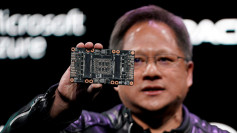
Jensen Huang later acknowledged in a message to Nvidia employees that he had been unfaithful to his wife. He did not identify the person involved. "I support the investigation and will cooperate fully," he said. Nvidia's board said it had no reason to believe that company secrets or national security had been compromised. The company did not immediately respond to a request for comment on the suit.
Robert Bartlett, a Stanford Law School professor who specializes in securities law, said the case is likely to turn on whether investors paid an inflated price because of misleading or incomplete disclosures. He pointed to Nvidia's earlier description of the Megaspeed relationship as a statement that could come under scrutiny. The shareholders' allegations have not been established in court.
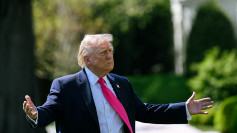
President Donald Trump told reporters Monday that the FBI was examining the matter and that he had spoken with Huang earlier in the day. Trump said Huang told him he had been unaware of any intelligence connection and that he believed him. China's Foreign Ministry rejected the espionage allegation as unsubstantiated.