Hong Kong's North District Hospital announced its plan to probe the death of a 64-year-old patient on Saturday, September 1. The sick person, who had diabetes pancreatic cancer, and a heart condition, allegedly died after a nurse forgot to give his medicine in May.
According to the South China Morning Post, the patient was taken to its emergency ward on April 23 for "abdominal pain, vomiting, and weakness in the lower limbs." The doctors saw he had diabetes and cardiovascular disease. They later declared he also had pancreatic cancer that already spread to his liver.
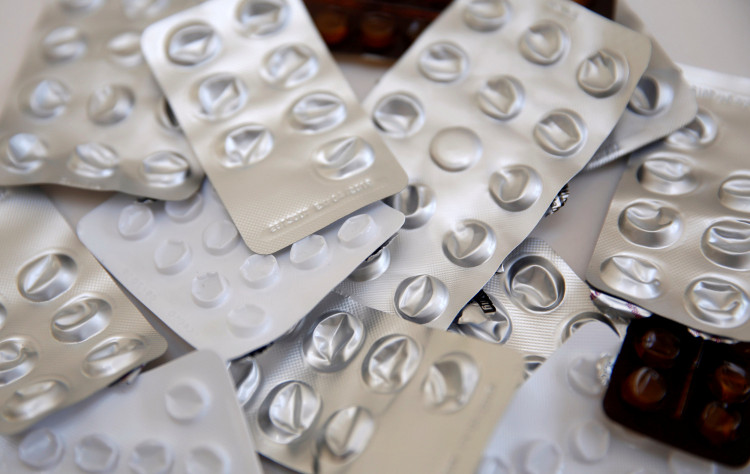
He got discharged on May 4 after some treatments and observations. Doctors gave him medicines for diabetes, high blood pressure, and his heart condition, but the nurse forgot to give it to him.
"The ward nurse put the drugs in a drawer and did not hand them to the patient before he left," a hospital spokesman admitted.
A relative went to the hospital on May 8 to ask if there was any medication given to the patient, but the healthcare workers said there was no prescription. The ward staff then saw the drug package hidden inside a drawer on May 17. Hence, the patient took no medication for almost two weeks.
Unfortunately, on the same day, the staff discovered the drug, the patient fell unconscious. His relative rushed him to the hospital, but he was declared dead when the resuscitation failed.
The spokesperson revealed he died from cancer of the pancreas with metastasis. They then reported his case to the coroner.
MSN reported the same relative told the hospital their patient did not receive discharge medicine. The facility, on the other hand, found the management still had no idea about the case.
The spokesperson revealed the hospital is extremely alarmed of the incident, so it would set up an expert panel to conduct a thorough investigation into the case. They would also evaluate the workflow when it comes to giving discharge medication and handling relatives' inquiries and reporting of incidents. They, too, would give recommendations for further improvements.
Meanwhile, Hong Kong Nurses General Union President Cecilia So Chui-Kuen explained a doctor would give prescribed medicines if a patient needed medication after discharge. Their relatives would then bring the prescription to the hospital's pharmacy to have the medicines. She said it was a "less common" practice that a nurse would give medication on the ward per se.
Society of Hospital Pharmacists President William Chui Chun-ming even supported this claim. "Pharmacists can offer advice," he said. Patients or their relatives would know better information about their medicines from the hospital pharmacy if they get the medication themselves.