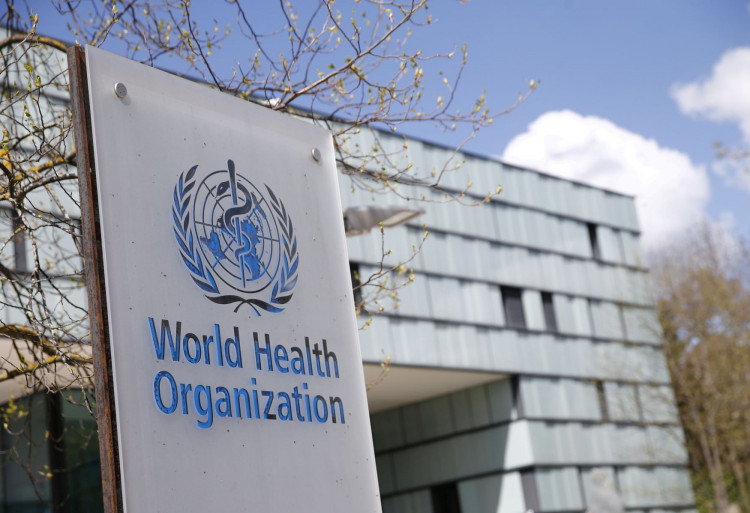
The World Health Organization is warning that a newly emerging influenza variant is spreading rapidly across multiple regions, prompting heightened surveillance as the global flu season intensifies and hospitalizations rise in several countries. The strain, an H3N2 subclade formally classified as J.2.4.1, has been detected in more than 30 countries since first appearing in the Southern Hemisphere late this summer.
Speaking in Geneva, Dr. Wenqing Zhang, head of global respiratory threats at the WHO, said influenza activity is increasing alongside other respiratory viruses. She told reporters that this season is distinguished by the fast expansion of what scientists refer to as subclade K, noting that the variant is now being closely monitored for its potential link to more severe disease outcomes.
According to WHO data, the strain was first identified in Australia and New Zealand in August and has since become widespread. Dr. Zhang emphasized that influenza viruses evolve continuously, which necessitates regular updates to vaccine formulations. The concern surrounding J.2.4.1 stems from genetic changes that distinguish it from earlier H3N2 variants circulating in recent seasons.
While the WHO has not yet identified a definitive increase in overall severity linked directly to the variant, Dr. Zhang said health authorities are paying close attention to hospitalization trends. She noted that the strain was not included in the most recent Northern Hemisphere flu vaccine because it emerged after vaccine production timelines had already closed.
Independent reporting by Scientific American indicates that subclade K has become dominant in several major countries, including the United States, the United Kingdom, Canada, and Japan. In the U.S., health officials say the variant now accounts for the majority of flu samples tested since late September, although national hospitalization rates remain broadly consistent with previous years.
Some regions, however, have reported localized increases in severe cases. Texas and parts of the U.K. have seen higher hospitalization rates among adults aged 65 and older, according to public health data. Virologists caution that mutations in the virus may slightly reduce vaccine effectiveness but stress that vaccination continues to significantly lower the risk of severe illness.
Dr. Zhang reiterated that existing vaccines remain critical, pointing to early data from the United Kingdom showing continued protection against serious outcomes. She said vaccines reduce the likelihood of hospitalization and complications, particularly among children and high-risk populations.
Health authorities are advising the public to remain alert to flu symptoms, including fever, chills, cough, sore throat, muscle aches, fatigue, and headaches. More serious warning signs include difficulty breathing, chest pain, and confusion, especially among older adults and those with underlying conditions.
The WHO estimates that influenza causes approximately one billion infections globally each year, resulting in:
- Up to five million cases of severe illness
- Around 650,000 flu-related respiratory deaths annually
Early effectiveness data suggest vaccines reduce the risk of severe disease by roughly 75% in children and about 35% in adults, reinforcing public health guidance to vaccinate vulnerable groups.