Two children have been confirmed with measles inside a large immigration detention center in Texas, triggering urgent warnings from health experts and lawmakers that the highly contagious virus could spread rapidly among hundreds of detained families. The cases were identified at the South Texas Family Residential Center, a facility operated under Immigration and Customs Enforcement, according to officials briefed on the situation.
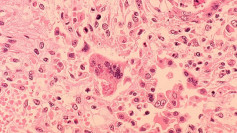
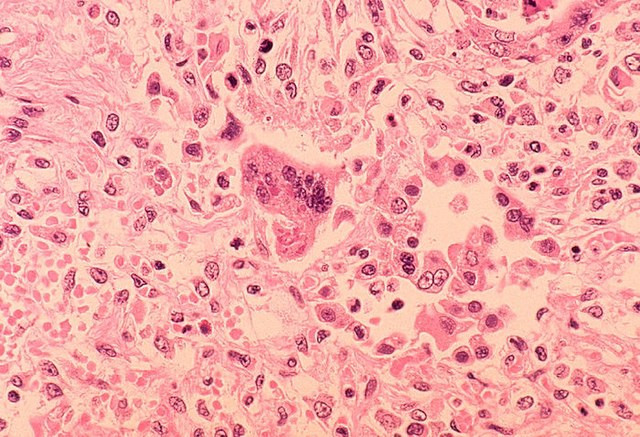
The confirmation has intensified scrutiny of detention conditions as public-health specialists caution that measles is uniquely difficult to contain in crowded, enclosed environments. The virus is airborne and can remain suspended in the air for up to two hours after an infected person coughs or sneezes. If one person is infected, as many as 90% of nearby non-immune individuals can become sick.
Medical researchers and epidemiologists have long described detention facilities as "epidemic engines," a risk amplified by shared sleeping quarters, communal bathrooms and dining areas. Eric Reinhart, a political anthropologist who has studied disease transmission in jails, warned that such centers operate like "factories" for viral spread, noting that physical barriers cannot prevent airborne transmission beyond the facility.
Officials placed the Dilley center under internal lockdown after the cases were confirmed on Friday, restricting movement in an effort to slow transmission. Public-health experts cautioned that confining families inside a building where an airborne virus is circulating may increase exposure for those who are not immune, particularly children.
Measles poses severe risks for young people, especially children under five. Symptoms typically begin with high fever, cough, runny nose and red eyes, followed by a widespread rash. Complications can include dehydration from severe diarrhea, ear infections, pneumonia and encephalitis, a potentially fatal swelling of the brain.
The risk is compounded in detention settings, where access to specialized pediatric care can be limited and stress, poor nutrition and overcrowding may weaken immune defenses. Reports from advocacy groups indicate that conditions at the Dilley facility have already been strained, with recent protests involving detained families calling for release.
Pressure on federal authorities escalated after Joaquin Castro, a Democrat representing San Antonio, demanded the center be "shut down immediately." In public remarks, Castro argued that families held at the facility "have committed no crime" and should not be forced to endure detention conditions during an outbreak of a potentially deadly disease.
Health experts echoed the concern, pointing to earlier public-health responses during the Covid-19 pandemic, when releasing people from crowded facilities helped reduce transmission. They warned that without reducing population density, containment efforts inside detention centers are likely to fail.
The outbreak in Texas comes amid a broader resurgence of measles across the United States. States including South Carolina, Arizona and Utah have reported rising case counts in early 2026, a trend public-health officials link to declining vaccination rates. While outbreaks have occurred in multiple communities, experts stress that the risk is highest in settings like detention centers, where individuals cannot leave to avoid exposure.