The U.S. government is moving to scale back routine childhood vaccination recommendations, a shift prompted by a directive from Donald Trump and framed by officials as an effort to align American practice more closely with other developed nations while emphasizing parental choice.
In a post on Truth Social, Trump said, "Effective today, America will no longer require 72 'jabs' for our beautiful, healthy children," adding that the administration would move to a "far more reasonable Schedule" under which children would be recommended vaccines for "11 of the most serious and dangerous diseases." He said parents could still opt into additional shots and that insurance coverage would remain intact.
The change follows a presidential memorandum Trump signed in December instructing the Department of Health and Human Services to review the U.S. childhood immunization schedule against international standards. Federal health officials said the updated framework would continue to recommend core vaccines for diseases including measles, mumps, rubella, polio, chickenpox and human papillomavirus.
Under the revised guidance, recommendations for several other vaccines would be narrowed. Immunizations for meningococcal disease, hepatitis A and hepatitis B would be advised primarily for children deemed at higher risk, while flu, COVID-19 and rotavirus vaccines would shift to shared clinical decision-making between parents and health-care providers rather than being administered automatically.
HHS officials said respiratory syncytial virus vaccines would remain unchanged, with infants born to mothers who were not vaccinated during pregnancy still advised to receive protection. The department described the goal as tailoring immunization to individual health profiles while maintaining safeguards against life-threatening illness.
The new approach would bring the U.S. closer to vaccination policies in countries such as Denmark, where routine childhood immunization does not typically include vaccines for rotavirus, hepatitis A, meningococcal disease, influenza or chickenpox. Danish health authorities have long cited universal access to prenatal and pediatric care as enabling a less expansive vaccination schedule.
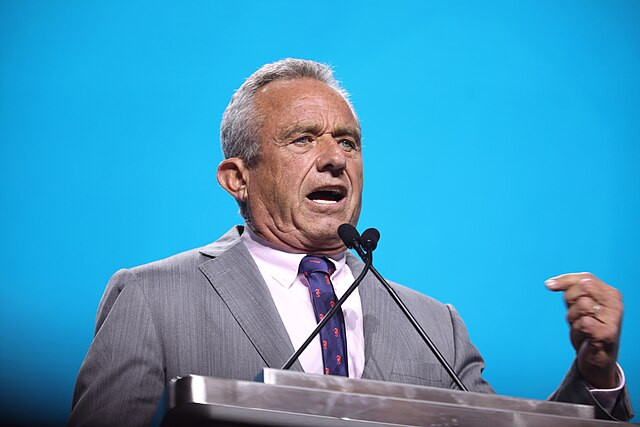
The shift comes amid political sensitivity around vaccines following the appointment of Robert F. Kennedy Jr. as acting head of the FDA's Center for Drug Evaluation and Research, a move that drew scrutiny given his longstanding skepticism about vaccine safety. Supporters of the new schedule argue it restores trust by reducing what they describe as excessive mandates, while critics warn it could undermine herd immunity.
Public-health specialists cautioned that narrowing recommendations risks outbreaks of preventable diseases such as measles and whooping cough, particularly if vaccination coverage declines unevenly across states. They also raised concerns about data gaps after the Centers for Medicare and Medicaid Services stopped requiring states to report vaccination rates for Medicaid and CHIP beneficiaries, potentially limiting early detection of coverage shortfalls.