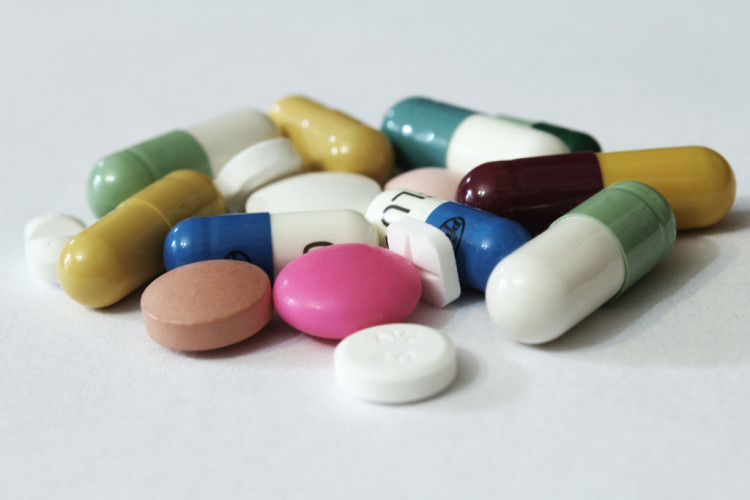
The Chinese government unveiled its national plan, "Made in China 2025," and a part of it is drug innovation. As the country's medicine experiments experience a hard time to get US approval, Beijing is about to stand on its own.
According to The New York Times, getting a new drug approval from the Western country is a "frustrating and time-consuming" process for China. The region tried replicating Western medicines for a long while, but things are about to change now.
China's drug companies earlier believed that spending millions of dollars on research and development is too risky. But now, it is trying to take a greater part in the "global drug industry."
A lot of Chinese citizens suffer from neither cancer nor diabetes, so the government declared drug innovation as a "national priority." The country's officials promised to expedite medicine approvals to help their ailing people. The authorities are also enticing their scientists to return to the region by offering them land, grants, tax breaks, and research investments.
South China Morning Post reported China would have the ability to lower its drug's cost and make it more accessible to the public by creating better local medicines. It will also help support "social cohesion" despite the worsening gap between the rich and the poor.
Inspired by the movie "Dying to Survive," Premier Li Keqiang once again cried out to cut the price of drug treatments for cancer patients. Although the tariffs removal and value-added tax cuts on imported cancer medicines in May and June managed to reduce the high drug prices, it would just hold for a little while. The best solutions to help them are "greater self-sufficiency and intellectual property ownership."
China MediTech chief executive Christian Hogg said a large number of China's "patient pool" holds the key to its future to develop its biopharmaceutical industry. The country has a third of the world's colorectal cancer, half for gastric cancer, and 40 percent for lung cancer patients.
"The future of oncology drugs development is all about combinations of targeted therapies," he said. "[It is] including those that shut down the blood flow to cancer cells, and immunotherapies which activate the immune system to attack the cancer cells."
Li added the biggest challenge the drug developers have to face is find very "clean" treatments that have the least negative side effects. China's biotechnology industry is openly taking the challenge and eager to build its drug production.
Beijing eyes to develop "10 to 20 innovative drugs by 2020, and commercialize 20 to 30 treatments by 2025" as part of "Made in China 2025." It also plans to have at least 100 pharmaceutical companies in the country to have the US, EU, Japanese, and World Health Organization certification.