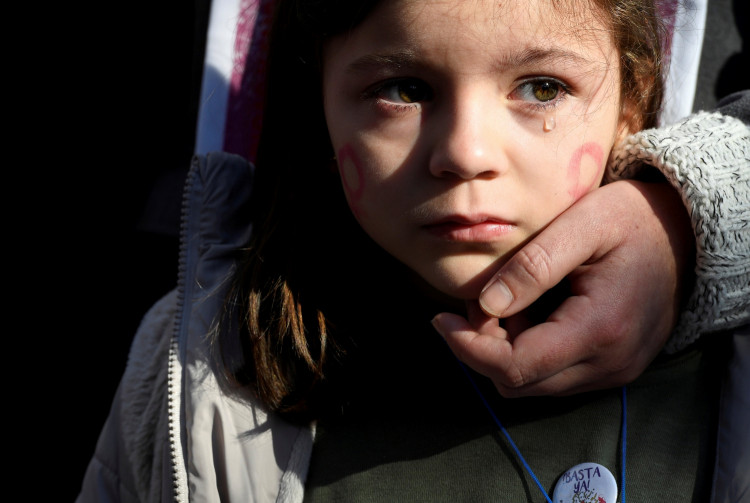
The history of women has gone through a lot. Some girls suffer genital mutilation, while others don't have the right to education. The story of sexual violence is also prevalent today. With all the issues women face from the early days until today, here are the stories behind it.
Female Genital Mutilation
The female genital mutilation (FGM) has been most practiced in the Middle East, Africa, and Asia as a rite of passage for young girls. It is a procedure to partially or totally remove female's external genitalia typically performed by community leaders or midwives. However, it is not safe.
Girls who undergo FGM may suffer serious complications like "chronic kidney infections, painful sex, and difficulties in childbirth," per the South China Morning Post. It can also be deadly.
The World Health Organization (WHO) sees FGM as "non-medical reasons" practice. Although this procedure has no medical benefits and already banned in other areas, it is still happening in some areas. In the record, about 200 million women and girls experienced this procedure.
Right To Education
In the early days, women don't have the right to education. They have been traditionally kept out of school compared to their male counterparts. But with the worldwide fight to give them access to education, the number between men and women going to school is getting close. The gap also virtually disappeared as of 2016 for children 11-years-old and above, United Nations Educational, Scientific and Cultural Organization's (Unesco) statistics.
However, it is not the case in every country around the world. There are still some regions that don't allow women to go to school. The gender imbalance is still happening, and it is the women who suffer the most and often excluded. There are a lot of reasons behind this, like wars and poverty. But the most prevalent factor is cultural, the belief that women should stay at home and take care of their kids and husbands.
Sexual Violence
Sexual violence against women is very prevalent nowadays. Washington Post reported that there are major challenges to understand its global landscape. Researchers believe that there is a significant gap between the numbers of crimes committed and reported, and allegations made and prosecuted.
In a 2014 study in Japan, it revealed that about two-thirds of rape victims hid their experience. They told no one about the crime, not even their families. Only 4 percent reported the assault to authorities.
Sexual violence is becoming an epidemic. It is happening in different countries. But not all regions change their laws, legal systems, and culture to make it safer for women.
Experts believe that changes need to happen in every aspect to fix this issue. Schools, too, must teach the correct definition of consent and teach both men and women about rape and its forms.
Police and legal professions should thoroughly investigate the case of rape, and eagerly pursue the attacker. Also, the legal definition of rape should be broad enough to cover sexual violence as it is happening, and women are experiencing it.