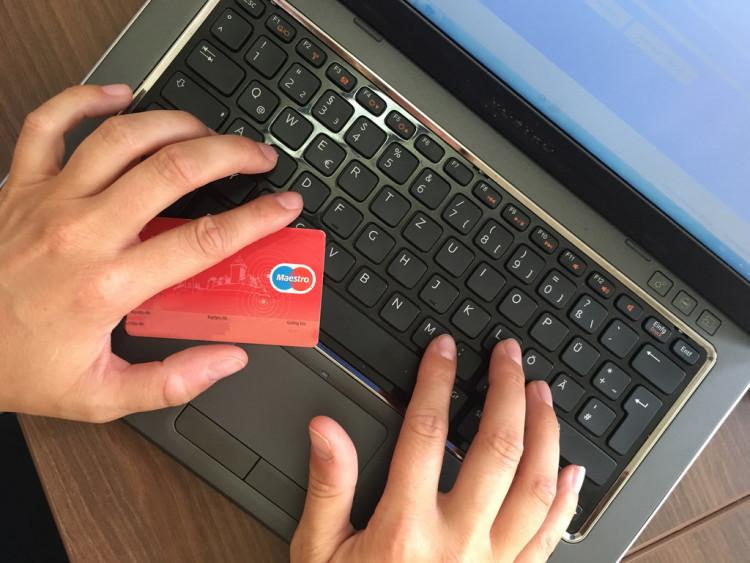
There is a rise in online shopping today. Because of its convenience and advantages, more and more people opt to shop online than going to malls. Even retailers aim to strengthen their online presence, but there is this one designer who is not a fan of e-commerce.
Japanese-Australian designer Akira Isogawa chose to take the road less traveled for his success. He preferred Paris showrooms than external investment and international catwalk shows. He doesn't even have an e-commerce store, despite the growing numbers of online shoppers today.
"I thought actually that people need to feel and touch [the clothes]," Isogawa said, per the South China Morning Post. "You might call it old-fashioned. I haven't worked on it [e-commerce] deliberately."
Isogawa compared online shopping to watching a movie at home than going to the cinema. He finds it more special if shoppers will visit the physical stores than do it online. "I do ask clients to come to our boutique, that's the best experience we can offer," he added.
In the United States, a photographer named Rieser documented the decline of shopping malls via Business Insider. As a teenager in the 80s and 90s, he said part of the American experience is the mall culture.
However, as the years pass by, shopping malls now have a little role in the retail world. Physical stores now continue to close because of the growing trade online. Most of the brands today now have e-commerce stores, and it is making their online presence stronger than its boutiques.
Over 3,800 stores, including Toys R Us, Macy's, and Sears, shut down. On the other hand, the e-commerce giant Amazon was just about to collect five percent of all retail sales this year.
So why people opt to shop online than to go to the malls? According to ToughNickel, there are many reasons why shoppers choose online shopping that makes it an ongoing trend.
There are a lot of advantages in shopping online. Some of are its convenience, most of the time it has better prices, more options, easier to send to others, and shoppers have more control. Also, it is easier to compare prices online; you don't have to get into the big crowd, you won't feel pressured when a sales representative approaches you, you have access to used or damaged inventory, and you can buy discreetly.
But advantages also come with disadvantages. Some of the problems shoppers' experiences in online shopping are the negative environmental impact of packaging and gas, shipping issues and delays, fraud, and spending too much time online. Also, there is a risk of scam and phishing, no sales assistance, complicated returns, and you're not sure of what you're getting.