A new survey revealed most airplane passengers drink when they travel. As some drunk-related issues are happening onboard, is it still safe to serve alcohol while flying or should the airlines decide to ban it?
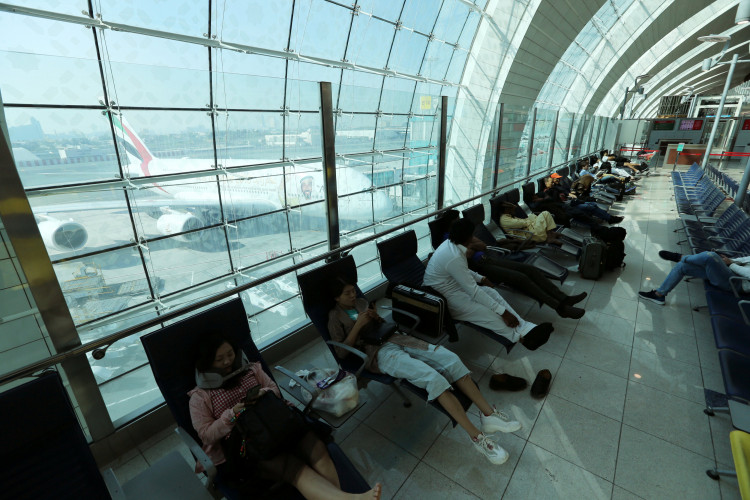
The survey made by the marketing agency in Delray Beach, Fla., Fractl revealed over eight in 10 passengers are drinking alcohol while they are waiting for their flight. This number even increases to more than 90 percent when they are already onboard. About 10 percent of Millennials, on the other hand, are more likely to get intoxicated while on flight compared to older passengers.
As problems arise because of intoxication, the Irish discount airline Ryanair announced it would impose restrictions on alcohol sales at airports. It is also banned before 10 a.m., per Philly.
Los Angeles psychiatrist Brian Cassmassi believes drinking one or two mini-bottles while on a flight would be fine after handling a drunk-related issue while flying. However, it still depends on the passenger's alcohol level.
Flight crews have to monitor their passengers' behavior to make sure they are not overdrinking. Although "blood alcohol concentration" doesn't change while traveling on air, Cassmassi said people could easily feel its effects because of the slight "decreased oxygen levels in the blood."
"Airplanes keep the cabin pressure about 4 percent lower than normal pressure at sea level, which slightly lowers oxygen intake," he said. With that change, Cassmassi explained brain becomes more vulnerable to the alcohol's effects that make them drunk more easily.
There are airlines that serve alcoholic drinks while some already banned its serving. Middle Eastern carriers like Royal Brunei Airlines, Saudi Arabian Airlines, and EgyptAir are now alcohol-free. Other air services don't serve alcoholic beverages on domestic flights such as Turkish airlines and Chinese airlines.
According to the South China Morning Post, flight attendants are well-trained when it comes to alcohol issues using a traffic-light system that bars and restaurants use to "categorize patrons." Greenlight is for social drinkers who behave normally, yellow is for lower inhibitions and inappropriate behavior, and red for "impaired motor functions."
When passengers shift to yellow, they will cut them off. But when flight attendants start serving alcohol on the flight, they become outnumbered, and it will be the passengers' responsibility to see if their fellow travelers are not overdrinking.
"Modern manners dictate that before drinking yourself straight into the airsickness bag, you must consider all other passengers alongside you because they have fewer options than you do," an etiquette expert who runs the consulting firm Access to Culture Sharon Schweitzer said. With all that said, this is maybe the perfect time to ban alcohol drinking on the flight or even consider limiting its serving.