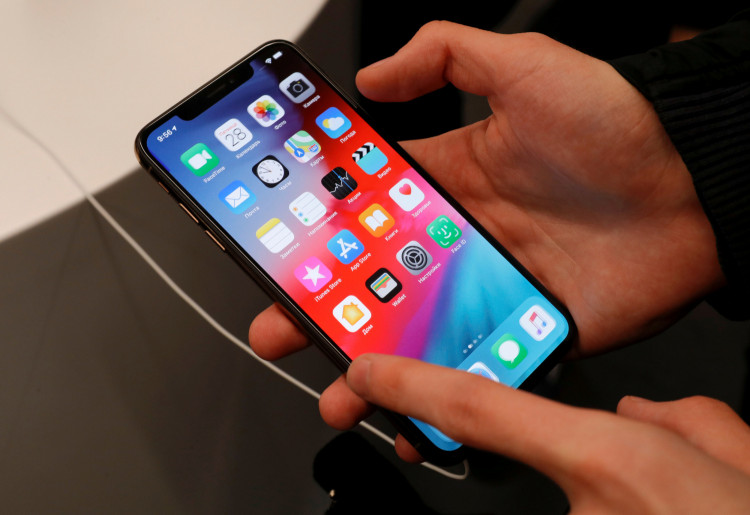
The year is still in its first month, so people still have time to start their digital detox to go through the rest of 2019. Everyone is so invested in using their digital devices, thus they forget to do important things. The task is challenging, indeed, but there are some ways that you can do it without feeling left out.
You can't deny the revolutionary impact the digital world has brought to your life. From e-mail, internet search engines, GPS apps, digital cameras, and smartphones, among others, these things make life easier. But how much time it takes away from your life?
Digital detox helps you determine the most important apps and devices you need to use. "It's only after you put down the electronic rucksack overflowing with digital possibility and stroll off unencumbered that you're in a position to make a sensible decision about whether you really want to carry it around all day long," "FT" Tim Harford told the South China Morning Post when he started his withdrawal in December 2018.
The services that the digital world brings can be said: "very important." But to make it more manageable and avoid taking its toll in your life, you should use it in control. Harford pictured using "internet-enabled device" like trying to avoid indulging on a "fridge full of beer" and sweets standing in front of you with its capability to give you everything.
Disposing of the use of Facebook, Twitter, and Instagram is not that hard to do. People will eventually get used to knowing that you don't often use these social media platforms, and it is not the best way to reach you.
The constant notifications from social media platforms, messengers, and e-mails will give you a hard time to focus on more important things and finish your work. Although smartphones and social media can take its toll on you, you have to know its real purpose and take control of its use. So here are some ways that you can avoid it.
According to Guy Counseling, Timothy Ferriss' "The 4-Hour Workweek" book suggests you can "relieve mental clutter" by trying a "weeklong digital detox." Try to limit yourself from reading different information like gossip news, spam, and status updates.
You can also try to disable your notifications, so you can avoid checking your digital device every now and then. Reading notifications can only incite scrolling your social media pages and e-mails.
Try to set a "low info day" when you will keep yourself away from your digital devices, and focus on doing things in the real world. This move can help your "mental well-being," and you can do other activities that will keep yourself busy, not thinking to fiddle your smartphone.
It is important to practice digital detox to see the most important thing you should do. Being away or spending lesser time from the digital world can give you more time to spend your day doing and completing different tasks.