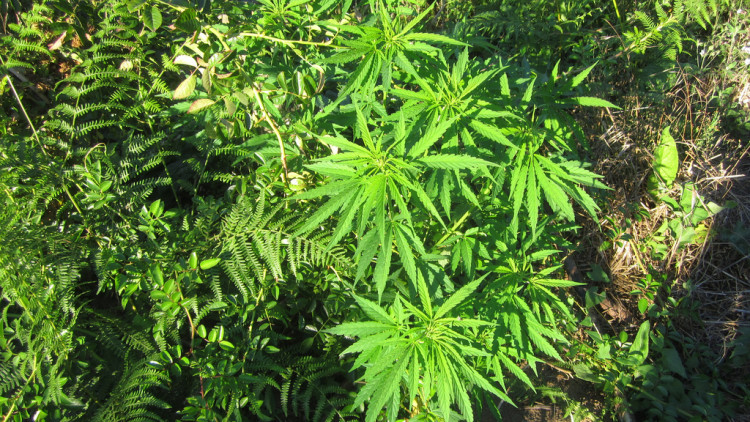
Thailand became the first country in Asia that passed the legalization of marijuana for medical treatment and research in December 2019. King Maha Vajiralongkorn already made the law official through a royal decree last week, but it still holds limitation to the cultivation and uses of cannabis.
Thailand has the strictest laws when it comes to drugs, but it becomes the first Asian country that passes the legislation anyway. Bhumjaithai party leader Anutin Charnvirakul even said "marijuana is not a drug that should be illegal," per the South China Morning Post.
Marijuana's legalization in Thailand may have a lot of benefits for the country, knowing that it mostly relies on medical tourism. But, people still have a lot of questions about cannabis' use. At a panel discussion at the FCCT, Tom Julpas Kruesopon, a local entrepreneur aka "Mr. Weed," joined Anutin and Marijuana is Medicine that Cures Cancer author Dr. Somyot Kittimunkong.
He said Thailand's move to legalize marijuana is a "massive hurdle and merely the first and rightful step toward full legalization." Kruesopon added it is the government's responsibility to lessen the pain of its people, and marijuana could do the job. Aside from medical help, it could aid the country's economy.
"Anutin and his party want medical marijuana to be available to all and not just those who can afford it," Kruesopon continued to say. "They also want the business opportunities available to all and not just Big Pharma."
Thailand's lawmakers and government agencies are still having a hard time to define medical marijuana law's parameters. Some experts even claim that it gives monopolies a chance to thrive. Kruesopon added cannabis is a $250 billion business all over the world. But, now that it is going legal, it could go as high as a trillion-dollar business.
However, according to The Thaiger, Thailand's Food and Drug Administration (FDA) cleared that the new law doesn't legalize the "unrestricted planting of marijuana." The agency's response came after Bhumjai Thai political party asked for the legalization of the plant's cultivation.
FDA secretary-general Dr. Tharet Kratnairaveewong explained Thailand only allows limited cultivation of marijuana, but it has to be in cooperation with the state agency. It also has to have permission from the Narcotics Control Committee (NCC).
The FDA is also expected to make three ministerial announcements that would exempt doctors, researchers, community enterprises, patients, and others who are FDA or health offices registered to possess and cultivate marijuana. Kratnairaveewong said that aside from extracts and oils, patients could also use cannabis leaves and flowers if it is part of their doctors' recommended treatment. On the other hand, traditional medicine practitioners who want to use this plant as part of their treatments must pass the Medical Science Department training course.