Wells Fargo managing director Chenyue Mao has returned to the United States after being barred from leaving China for several months, following negotiations between U.S. and Chinese officials, according to people familiar with the matter. Mao, who leads the bank's international factoring business, was prevented from departing due to her involvement in a criminal case, China's Foreign Ministry said in July.
Mao, a Shanghai-born U.S. citizen based in Atlanta, was visiting China for business when the travel restriction was imposed earlier this year. She was required to cooperate with Chinese authorities as part of an ongoing investigation, according to Chinese officials. The precise nature of the case remains unclear.
Her release comes amid a sensitive moment in U.S.-China relations, as the two countries also finalize a deal to transfer TikTok's U.S. operations to American investors. It was not immediately clear whether Mao's case was raised during the Madrid negotiations that helped cement the TikTok agreement.
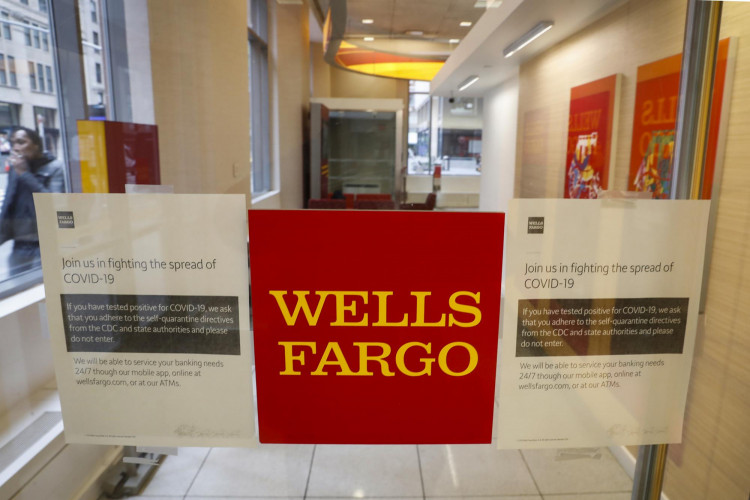
Wells Fargo confirmed that Mao had returned to the United States but declined to offer additional comment. The bank maintains a relatively small presence in China compared with its Wall Street peers, employing around 63 staff between its Shanghai and Beijing branches. Business registration records show the bank operates those branches to offer loans, foreign exchange services and trade-related financing, but has not established a locally incorporated subsidiary as some competitors have.
Mao has been with Wells Fargo since 2012 and was recently elected chairwoman of FCI, a global trade financing association. She has guided the bank's import-factoring flows to more than €2.6 billion ($3.02 billion) annually, according to an FCI release.
Factoring - a niche financing method in which companies sell receivables for immediate cash - has become an increasingly important tool for small and medium-sized enterprises seeking working capital. Mao's detention raised concerns among multinational clients about the risks of traveling to China for cross-border finance work.
Exit bans have become a frequent flashpoint between foreign businesses and Beijing. Human rights groups say such bans are sometimes used as leverage in civil disputes or to pressure companies in sensitive cases. In recent years, employees of U.S. and European firms have been blocked from leaving China, including staff of the New York-based Mintz Group and Nomura banker Charles Wang Zhonghe.
Wells Fargo continues to operate two Asia-Pacific hubs in Hong Kong and Singapore and maintains regional offices in Tokyo, Taipei and Seoul. Its Hong Kong branch reported HK$42 million ($5.35 million) in after-tax profit in 2024, down 22% from the prior year.