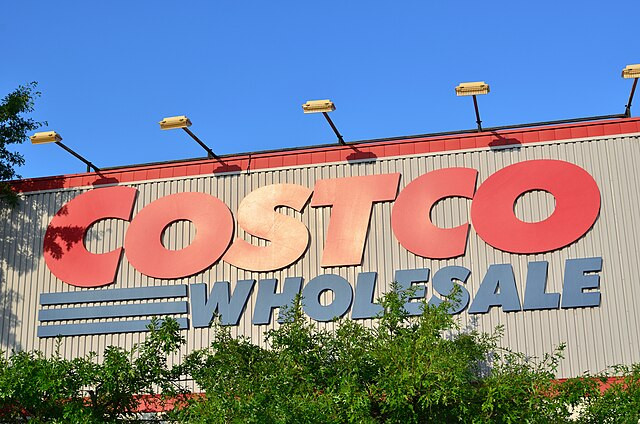
Costco Wholesale Corp. has moved to protect itself from potentially unrecoverable tariff costs, filing suit against the Trump administration and arguing that the sweeping import duties imposed under the International Emergency Economic Powers Act were unlawful. The complaint, lodged Nov. 28 in the U.S. Court of International Trade, seeks assurance that the company will receive a "complete refund" if the Supreme Court strikes down President Donald Trump's tariff program. The filing underscores fears among major importers that without litigation, they may be excluded from any eventual refund process.
The lawsuit arrives as the Supreme Court weighs a challenge heard Nov. 5 questioning whether Trump exceeded his authority by invoking emergency powers to impose tariffs as high as 145% on Chinese goods and up to 50% on imports from trading partners including India and Brazil. According to U.S. Customs and Border Protection, U.S. importers collectively paid as much as $90 billion in additional duties as of late September.
Costco said in its complaint that as the "importer of record" for products affected by the tariffs, it faces substantial financial exposure. The company disclosed that Customs and Border Protection had denied multiple requests to delay the final calculation of tariff liabilities-a step importers consider critical because finalized duties are significantly harder to recover if the underlying tariffs are invalidated.
The case places Costco among the largest corporations to break with the administration, joining other companies-including Bumble Bee Foods, EssilorLuxottica, Kawasaki Motors, Revlon and Yokohama Tire-that have sought to preserve refund rights. The White House has defended Trump's authority, with spokesperson Kush Desai telling CNN, "The economic consequences of the failure to uphold President Trump's lawful tariffs are enormous and this suit highlights that fact."
During oral arguments, several justices questioned whether endorsing Trump's emergency-powers rationale would strip Congress of its constitutional tariff authority. Ashley Akers, a former Justice Department attorney, told USA TODAY she heard "notable skepticism from justices across the ideological spectrum," adding that "it feels like this will be a razor-close case." Curtis A. Bradley of the University of Chicago Law School noted that justices appeared concerned that Congress could lose meaningful control over trade policy.
The Trump administration has framed the case starkly. The president called the dispute "LIFE OR DEATH for our Country" in a Truth Social post last month, a signal that the White House sees broad political stakes in preserving tariff authority.
- Tariff Rates at Issue:
- Up to 145% on Chinese imports
- Up to 50% on imports from India, Brazil
- $90 billion estimated cost to U.S. importers
Costco's lawsuit suggests the company fears an adverse bureaucratic landscape even if the Supreme Court rules against Trump. "They're clearly not convinced that the Supreme Court is going to even speak to the hassle of companies getting a refund or the government organizing a systematic process by which that happens," said Marc Busch of Georgetown University.
Companies have been quietly requesting extensions from CBP to prevent tariff assessments from becoming final, but Costco's more aggressive legal strategy reflects concern that Trump could take additional steps to limit refund eligibility. Analysts note that Amazon faced political blowback in a similar conflict when the White House condemned its plan to highlight tariff-related price increases, with Press Secretary Karoline Leavitt calling it a "hostile and political act."