A sudden surge of Chinese tourists into South Korea has reshaped Northeast Asia's winter travel flows, following Beijing's November travel warning against Japan, and has ignited a domestic backlash as local authorities grapple with cultural frictions, public-order complaints and infrastructure strain. The shift underscores how geopolitical tensions between China and Japan are spilling into regional tourism markets, with South Korea emerging as an unintended pressure point.
The redirection began after comments by Japanese Prime Minister Sanae Takaichi on potential military action in the Taiwan Strait prompted Beijing to issue a travel warning on Nov. 14. Chinese airlines were instructed to refund Japan-bound tickets through year-end, forcing hundreds of thousands of travelers to revise plans. Within days, carriers and cruise operators adjusted routes across the region, accelerating traffic into South Korea.
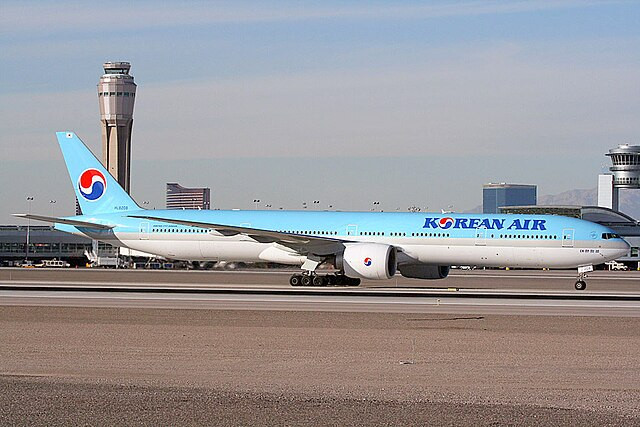
Korean airlines expanded capacity to absorb the demand. Korean Air Lines increased its Incheon-Fuzhou route from three to four weekly flights, while Asiana Airlines said it plans to operate 165 weekly flights to China by March, representing a roughly 20% increase. Cruise companies also revised itineraries, extending stops at destinations such as Jeju Island to bypass Japanese ports.
Chinese booking platforms quickly reflected the pivot. Qunar reported that for the weekend of Nov. 15, South Korea overtook Japan as the most popular overseas destination for Chinese travelers. Data from the Korea Tourism Organisation show 4.7 million Chinese visitors arrived between January and October, surpassing the full-year total recorded in 2024.
Hotel bookings mirrored the surge. Tongcheng Travel said hotel reservations by Chinese tourists to South Korea jumped more than 240% year-over-year in the final two weeks of November. At the same time, Chinese agencies reported strong growth to alternative destinations, highlighting that South Korea now competes with a wider set of options:
- Southeast Asia destinations such as Vietnam and Indonesia posted booking growth above 100%.
- Germany and Spain recorded increases exceeding 300%, according to agency data.
- Thailand led bookings for the Jan. 15-Feb. 10, 2026 winter holiday period.
- Russia saw flight bookings rise 1.5 times year-on-year after introducing 30-day visa-free entry.
Inside South Korea, however, the influx has stirred public resentment, particularly on social media, where residents have cited a series of high-profile public hygiene incidents involving Chinese visitors. In November, two Chinese tourists were caught relieving themselves at Gyeongbokgung Palace, one of Seoul's most culturally significant sites. In August, footage circulated from Jeju Island showing what appeared to be a parent directing a child to defecate in a protected area.
Local authorities have responded with a mix of enforcement and education. Jeju Police distributed a trilingual guide outlining local regulations and minor offenses subject to fines, including littering, jaywalking and public urination or defecation. Police chief Kim Su-young said the initiative was designed to "prevent misunderstandings due to language and cultural differences and improve foreign understanding of Korean culture and laws." Repeat violations can result in penalties of up to $143.