World Health Organization warned Friday that the worsening Ebola outbreak in Democratic Republic of the Congo now poses a "very high" national risk after confirmed infections climbed to 82 cases and at least seven confirmed deaths, raising fears of broader transmission across eastern and central Africa.
WHO Director-General Tedros Adhanom Ghebreyesus announced in Geneva that the agency had raised its internal national risk assessment for Congo from "high" to "very high," citing rapid spread of the Bundibugyo strain of Ebola and mounting evidence that the outbreak may be substantially larger than officially confirmed figures suggest.
Tedros said the virus is "spreading rapidly," while WHO maintained the regional risk level at "high" and the global risk assessment at "low."
Health authorities in Congo have reported nearly 750 suspected infections and approximately 177 suspected deaths nationwide, according to figures cited by international health agencies and media reports. Officials cautioned that ongoing conflict, population displacement and limited access to healthcare facilities in eastern Congo are complicating efforts to verify cases quickly.
The outbreak's epicenter remains Ituri province, a region long affected by militia violence and humanitarian instability. Cases have also emerged in Bunia and Goma, two major urban centers with significant transportation links and dense populations.
Authorities confirmed the virus has now spread into neighboring North Kivu province, intensifying concerns among health experts about transmission along major trade corridors and refugee routes connecting Congo with nearby countries.
Uganda has already reported two imported Ebola cases linked to the outbreak, including one death. WHO officials said the Ugandan situation currently appears stable, though neighboring governments have increased health screenings at border crossings and airports as a precaution.
Congolese authorities have introduced stricter public-health measures in affected regions, including restrictions on large gatherings and limits on traditional funeral ceremonies, practices that have historically accelerated Ebola transmission because of direct contact with infected bodies.
According to Al Jazeera, enforcement has proven difficult in several northeastern communities where violence, displacement and distrust of government institutions remain widespread. Health workers operating in conflict zones also face logistical challenges transporting patients, laboratory samples and medical supplies.
WHO and other United Nations agencies are now deploying additional emergency personnel, laboratory equipment and surveillance teams to eastern Congo in an effort to slow the outbreak before it spreads further into urban areas.
International aid agencies said more testing kits are being rushed into Ituri and North Kivu provinces to accelerate confirmation of suspected infections and improve contact tracing operations. The United Nations has also released tens of millions of dollars in emergency funding to strengthen surveillance systems, treatment centers and infection-prevention measures.
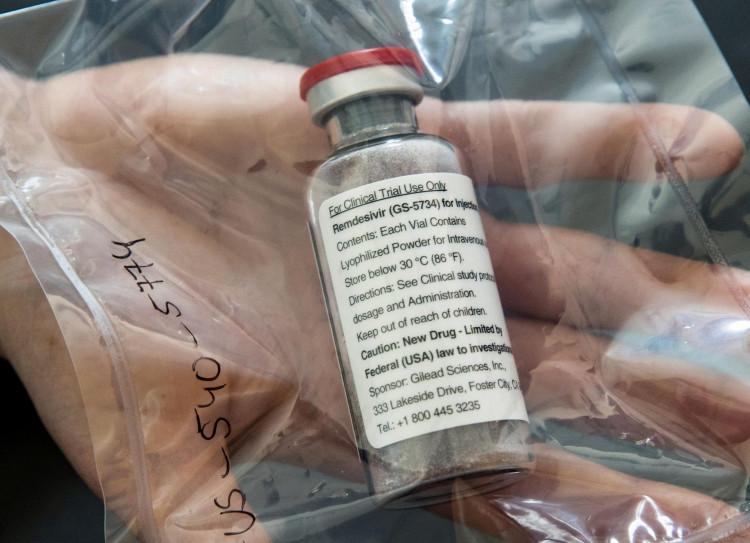
One of the biggest concerns for global health officials is that there is currently no approved vaccine or targeted treatment specifically designed for the Bundibugyo strain of Ebola, unlike the more common Zaire strain that drove previous outbreaks in West and Central Africa.
That reality places enormous pressure on early detection and containment efforts.
Health experts said supportive treatment, patient isolation and rapid tracing of exposed contacts remain the primary tools available to slow the outbreak. WHO officials stressed that delays in identifying infections could significantly worsen transmission risks, particularly in regions with crowded displacement camps and weak healthcare infrastructure.
The latest outbreak has revived memories of Congo's devastating Ebola epidemics over the past decade, including the 2018-2020 outbreak in eastern Congo that killed nearly 2,300 people and became the second-deadliest Ebola crisis ever recorded after the West African epidemic of 2014-2016.