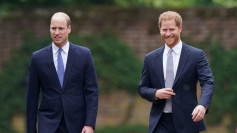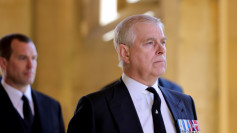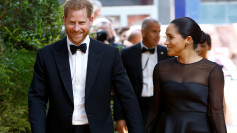
King Charles III and Prince William are facing renewed scrutiny over the balance of power inside Britain's royal family after fresh reports suggested the Prince of Wales has become an increasingly influential force within the monarchy, raising questions about how authority is shared between the reigning monarch and his heir.
The claims, published by commentator Rob Shuter in his Naughty But Nice Substack and amplified across British and international media, portray a royal household navigating competing visions for the institution's future. While no official evidence has emerged to support suggestions of a direct challenge to the King's authority, the reports have fueled discussion about William's expanding role as Charles seeks to define a reign that began only four years ago.
The allegations arrive at a sensitive moment for the House of Windsor. Recent attention had focused on reports of possible reconciliation efforts between King Charles and his younger son, Prince Harry. Instead, the latest speculation shifts attention toward Buckingham Palace's internal dynamics, centering on the relationship between the monarch and the man expected to eventually succeed him.
According to a palace source quoted by Shuter, "Harry is emotional and unpredictable, but William is the real challenge. With Harry, at least Charles knows where he stands."
The source added, "With William, it's much more complicated."
Those remarks have attracted attention because they frame William not as a family dissenter but as a senior institutional figure with growing influence. As Prince of Wales, William oversees a substantial royal operation, manages significant charitable initiatives, and represents the future direction of the monarchy in the eyes of many royal observers.
Reports cited by Shuter describe William as a figure with "his own team, his own agenda, and very clear ideas about the future of the monarchy." While such descriptions remain unverified, they reflect a broader reality: William's profile within the institution has expanded considerably in recent years, particularly as Charles has faced ongoing health concerns and delegated portions of the royal workload.
Royal historians note that tensions between monarchs and heirs are hardly unprecedented. British history is filled with examples of future kings developing their own networks, advisers and policy interests long before ascending the throne. What makes the current discussion notable is that Charles waited decades to become king and has repeatedly emphasized his commitment to shaping his own legacy rather than serving as a transitional figure.
One royal confidant quoted in the report said Charles "waited his entire life to become King," suggesting that any perception of his reign being overshadowed by succession planning could be unwelcome inside palace circles.
The reports further claim that some figures within the royal household increasingly view the monarchy as operating through parallel centers of influence. According to those accounts, Charles and William are pursuing priorities that occasionally diverge, creating what one source allegedly described as "two royal courts operating under one roof."
No evidence has been presented publicly to substantiate that characterization, and neither Buckingham Palace nor Kensington Palace has commented on the allegations.