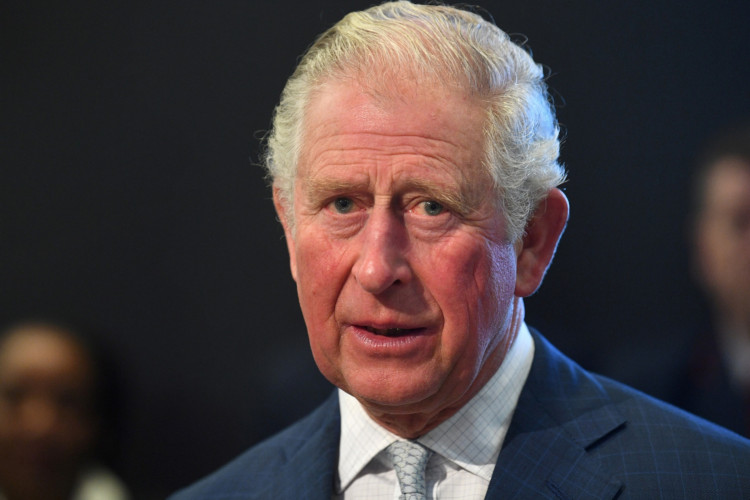
King Charles III ranks among Britain's wealthiest public figures, but pinning down the monarch's exact fortune remains a challenge because royal wealth sits at the intersection of private ownership, inherited assets and centuries-old institutions.
Estimates of the King's net worth vary widely. The Sunday Times Rich List places his personal fortune at roughly £680 million, while other analyses have suggested his wealth could exceed £1 billion when a broader range of royal assets is considered. The discrepancy reflects a long-running debate over which holdings belong personally to the monarch and which are tied to the Crown.
Unlike traditional billionaires whose fortunes are linked to companies or investments, King Charles derives wealth from a mix of inherited property, private estates, investment portfolios and revenue-generating land holdings accumulated over generations.
One of the most significant sources of income is the Duchy of Lancaster, a property portfolio established in 1351 that belongs to the reigning monarch. The estate includes agricultural land, commercial property and financial investments spread across England and Wales.
According to its latest accounts, the Duchy of Lancaster holds net assets of approximately £679 million and generated annual income of £24.4 million. The estate serves as a major source of funding for the sovereign and operates separately from taxpayer-funded support for the monarchy.
Charles' financial position also expanded following the death of Queen Elizabeth II in September 2022. Although the contents of royal wills remain sealed, reports have suggested he inherited substantial investment holdings and private property assets from his mother.
Among the assets frequently cited in estimates are:
- Investment holdings reportedly valued at around £150 million
- Private property assets estimated at roughly £250 million
• Additional personal wealth transferred directly between monarchs
The transfer carried another advantage: assets passed from one sovereign to the next are exempt from inheritance tax, preserving royal wealth that might otherwise face substantial taxation.
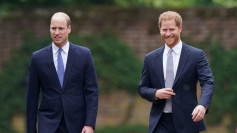
At the same time, Charles relinquished control of one of the monarchy's most valuable holdings when he became king. The Duchy of Cornwall, estimated to be worth around £1.3 billion, automatically transferred to Prince William upon Charles' accession to the throne. The estate provides income to the heir apparent and illustrates how some royal assets are attached to specific constitutional roles rather than individual family members.
Royal finances have also drawn renewed scrutiny. One area of controversy involves bona vacantia, a legal mechanism under which certain estates without heirs pass to the Duchy of Lancaster in parts of England. Critics argue the arrangement gives the Duchy access to assets that would otherwise have no private claimant, while the Duchy says those funds support charitable initiatives and public-interest projects.
Another source of confusion involves the Sovereign Grant. For the 2026-27 financial year, the grant stands at £137.9 million, a record level. However, the money is not considered the King's personal income. Instead, it funds official royal duties, staffing, travel and the maintenance of royal properties.
The complexity of these overlapping revenue streams explains why estimates of King Charles' fortune differ so dramatically. Some analysts count only assets directly owned by the monarch, while others include inherited collections, investment portfolios and property interests connected to the institution of the monarchy.