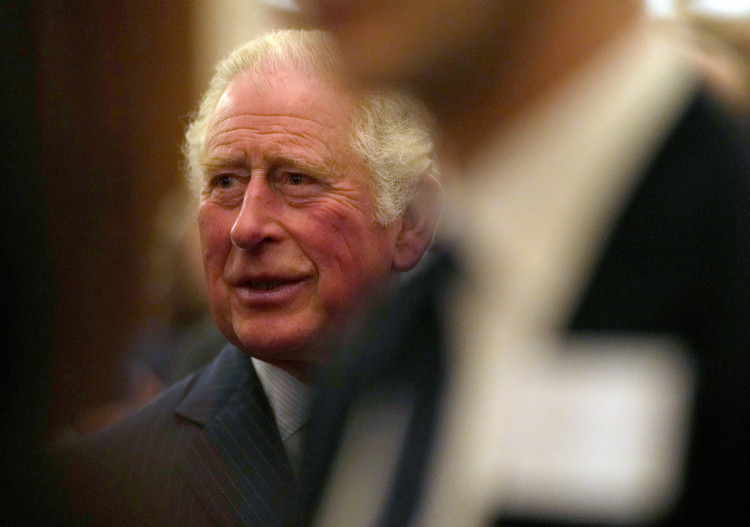
Britain's rapidly expanding offshore wind industry has propelled the Crown Estate to a record £1.2 billion annual profit for the third consecutive year, reigniting public debate over whether King Charles III personally benefits from the billions generated by renewable energy projects operating off the UK's coastline.
The answer, however, is more complicated than many assume. Although the Crown Estate's earnings have surged alongside Britain's offshore wind expansion, the profits do not flow into the King's personal bank account. Instead, the revenue is transferred to the UK Treasury, with a portion subsequently allocated through the Sovereign Grant to finance the official work of the monarchy rather than the monarch's private wealth.
The renewed attention comes as Buckingham Palace disclosed that King Charles voluntarily paid £12.9 million in tax during the 2024-25 financial year, marking the first time a British monarch has publicly revealed the size of his tax contribution. Palace officials described the move as part of a broader effort to improve transparency surrounding royal finances, though tax experts have questioned how much detail was actually provided.
The Crown Estate, which manages extensive landholdings, commercial property and the seabed surrounding England, Wales and Northern Ireland, reported profits of £1.2 billion during its latest financial year. Much of that growth stemmed from offshore wind leasing, an increasingly valuable asset as Britain accelerates investment in renewable energy.
According to the Crown Estate's latest results:
- Offshore wind developers paid approximately £875 million in option fees for seabed leases secured through competitive auctions introduced in 2022.
- Nearly two-thirds of total annual profit came from offshore wind activities.
- Although option-fee income declined by £198 million as several projects entered construction, developers will eventually begin paying ongoing lease revenues equal to 2% of electricity sales once those wind farms become operational.
Those figures have fueled speculation that the King's personal wealth is rising alongside Britain's renewable energy boom. The Crown Estate's structure, however, separates institutional assets from the monarch's private holdings.
Rather than becoming personal income, Crown Estate profits are transferred to the Treasury. During the latest financial year, the estate returned £487 million to the government. From that amount, £132.1 million was allocated through the Sovereign Grant, up from £86.3 million a year earlier, to support official royal responsibilities including staffing, overseas travel, palace maintenance, ceremonial events and state receptions.
Chief executive Dan Labbad said the estate's record performance reflected years of investment in Britain's offshore wind sector and competitive leasing strategy.
"What we're effectively doing is leasing a very scarce resource to market, and in this case the taxpayer benefited," Labbad said.
King Charles' private finances operate through a separate system. His personal income primarily comes from the Duchy of Lancaster, an independent portfolio of agricultural land, commercial property and financial investments established centuries ago to provide the reigning monarch with private funding. The Duchy generated £25.2 million during the 2025-26 financial year.
In addition to Duchy income, the King receives returns from privately owned investments, savings and the royal estates at Balmoral and Sandringham. Those assets are distinct from both the Crown Estate and the Sovereign Grant, a distinction that often causes confusion when estimates of the monarch's wealth are published.
The Palace said publication of the King's tax payment was intended to "encourage wider understanding of our accountability." Still, tax specialist Dan Neidle, founder of Tax Policy Associates, questioned the disclosure's usefulness, describing it as "highly opaque." Neidle argued that the published figures did not explain how much represented income tax, capital gains tax or allowable deductions, making it difficult to assess the King's effective tax position.