A Supreme Court ruling granting the Trump administration broad authority to end Temporary Protected Status (TPS) for hundreds of thousands of immigrants has intensified debate over the future of U.S. immigration policy, with demographers warning the decision could accelerate long-term population decline, workforce shortages and population aging.
The 6-3 decision, issued on June 25, allows the Department of Homeland Security to revoke TPS protections for approximately 350,000 Haitian nationals and about 6,000 Syrians, potentially exposing them to deportation. While the administration hailed the ruling as a victory for immigration enforcement, population experts argue it arrives as the United States is already confronting historically low birthrates and slowing population growth.
Writing for the majority, Justice Samuel Alito concluded that the TPS statute gives the executive branch broad authority over the humanitarian program and largely shields those decisions from judicial review. The ruling effectively affirms the administration's discretion to terminate TPS protections that were originally created by Congress in 1990 for nationals of countries affected by war, natural disasters or other extraordinary conditions.
The Court's three liberal justices dissented. Justice Elena Kagan argued that courts retain authority to determine whether the Department of Homeland Security complied with statutory requirements before ending TPS protections. She further wrote that evidence suggesting racial motivation behind the policy was "plain to see" in the president's own public statements.
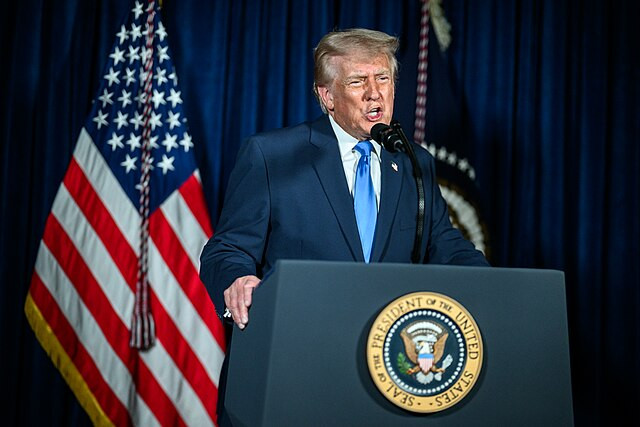
The White House welcomed the decision. Spokeswoman Abigail Jackson said the ruling reinforces that Temporary Protected Status was intended to be temporary rather than permanent. Attorneys representing Haitian plaintiffs sharply criticized the outcome, saying in a joint statement that the ruling would expose thousands of vulnerable people to unnecessary danger and could result in preventable deaths.
Beyond the legal implications, economists and demographers say the decision intersects with broader demographic trends that were already reshaping the United States before the ruling was issued.
According to Census Bureau estimates, immigration has become the primary driver of U.S. population growth as birthrates continue to decline. The Congressional Budget Office projects that beginning around 2030, deaths will outnumber births annually, leaving net immigration as the country's only source of population growth.
Federal data indicate that national population growth slowed significantly in 2025, while many counties already record more deaths than births. Several states experienced outright population declines, and the number of Americans under age 25 continues to shrink.
David Bier, an immigration and population expert at the Cato Institute, told NPR that the United States increasingly resembles countries such as China, Italy and South Korea, where aging populations have created mounting economic pressures. Bier argued that immigration has become essential to maintaining labor-force growth because birthrates are unlikely to return to levels seen decades ago.
William Frey, a demographer at the Brookings Institution, has similarly warned that several Midwestern states-including Iowa, Kansas and Nebraska-depend heavily on immigration to sustain population growth. Economists have cautioned that slower labor-force expansion could place additional strain on Social Security financing, reduce consumer demand and contribute to school closures in communities experiencing declining youth populations.
Long-term Census Bureau projections underscore those concerns. In one illustrative scenario assuming zero net immigration, the U.S. population begins declining immediately and falls to roughly 226 million by 2100-approximately 107 million fewer residents than estimated under baseline projections. Although Census officials describe the scenario as hypothetical rather than predictive, demographers say sustained reductions in immigration move the country closer to those lower-growth outcomes.
The administration has framed the demographic changes differently. Senior White House policy adviser Stephen Miller has argued that stricter immigration enforcement fulfills the administration's broader policy objectives, saying tighter border controls represent a fundamental shift in federal immigration policy. Supporters of stricter immigration enforcement, including the Federation for American Immigration Reform, maintain that immigration laws should be enforced as written regardless of demographic forecasts.
The Supreme Court ruling settles an important legal question regarding executive authority over Temporary Protected Status. The broader economic and demographic consequences, however, remain the subject of continuing debate among policymakers, economists and population researchers as the United States weighs immigration enforcement against long-term workforce and population trends.