The Trump administration is pressing Iran to abandon a proposal to impose transit tolls on ships passing through the Strait of Hormuz, viewing the issue as a critical test of whether ongoing nuclear negotiations can produce broader economic and security concessions before a 60-day deadline expires.
According to Axios, U.S. officials believe Tehran has far more to gain from reaching a comprehensive nuclear agreement than from generating revenue through fees on one of the world's busiest energy shipping lanes. The diplomatic effort comes as indirect negotiations continue in Doha following a fragile ceasefire that ended the latest round of military exchanges between the United States and Iran.
While officials on both sides have described the talks as constructive, negotiators remain in the early stages of discussions. The reported understanding to reduce military tensions has created a window for diplomats to focus on the memorandum of understanding under negotiation without the immediate threat of renewed hostilities.
A U.S. official told Axios, "We have reached an understanding that we will keep things quiet for the coming week, so progress on all aspects of the MOU can be worked on in a productive environment, without missiles flying."
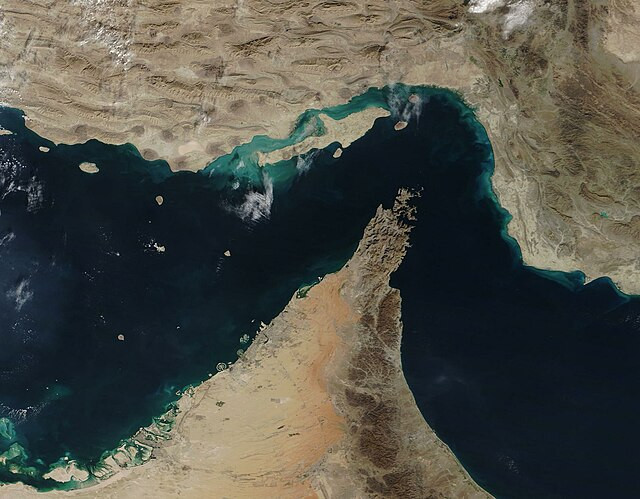
The Strait of Hormuz remains one of the world's most strategically important maritime chokepoints, carrying a substantial share of global oil exports. Any decision by Iran to levy transit fees could raise shipping costs and introduce new uncertainty into international energy markets, making the issue a significant point of concern for Washington and its regional partners.
Rather than confronting Tehran solely through military pressure, U.S. negotiators are attempting to persuade Iranian officials that sanctions relief and broader economic normalization would deliver greater long-term benefits than revenue generated from shipping tolls, according to the Axios report.
Vice President JD Vance indicated Wednesday that negotiations are moving in a positive direction despite the complexity of the issues under discussion.
"It's still pretty early, but talks are going well," Vance said, while cautioning that negotiations remain in their initial phase.
Diplomatic activity has centered in Doha, where U.S. special envoys Jared Kushner and Steve Witkoff have continued technical discussions with regional mediators. Qatar and Pakistan have played leading roles in facilitating indirect communication between Washington and Tehran as negotiators work through the framework of the proposed agreement.
Following the latest round of meetings, Qatari Ministry of Foreign Affairs spokesman Majed Al Ansari and Pakistan's foreign ministry released a joint statement describing incremental progress.
"Qatar & Pakistan mediators concluded separate meetings with the US & Iranian negotiators in Doha today, with positive progress made on issues related to the Islamabad Memorandum of Understanding, building on the outcomes of the Lake Lucerne Summit," the joint statement said.
The mediators added: "The parties agreed to continue discussions over the coming period, with the next meeting to be scheduled at the earliest possible time following the funeral processions of the former Iranian Supreme Leader."
Those negotiations are unfolding alongside preparations for state funeral ceremonies honoring former Iranian Supreme Leader Ali Khamenei, who was killed on Feb. 28 during the opening stages of the conflict. Iranian officials have said they expect as many as 20 million people to participate in ceremonies scheduled to begin on July 4 across multiple cities.
According to Iranian authorities, the largest public procession is planned for July 6. Khamenei's body is then expected to travel to the holy city of Qom before continuing to Najaf and Karbala in Iraq ahead of his burial on July 9.