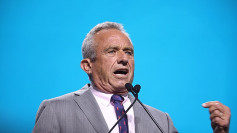
Uri Poliavich is a philanthropist whose work focuses on Jewish education, learning opportunities, community stability, and long-term planning. Jewish education needs more than lessons, as schools also require stable conditions, suitable spaces, and planning for future needs. His focus is on helping younger generations stay connected with Jewish identity and community life.
Uri Poliavich and Growing Interest in Jewish Education
Uri Poliavich's interest in Jewish education is connected with helping children stay connected with Jewish identity and traditions. He speaks about his own childhood, explaining that he became more familiar with Jewish culture after age 14.
He wants children to understand their Jewish identity and stay connected with their communities. For him, education is connected with identity as well as learning. The Yael Foundation, which Uri Poliavich co-founded, now supports 145 institutions across 48 countries and reaches more than 29,000 children.
Uri Poliavich saw demand through community experience. His early involvement began with a kindergarten and expanded to another Jewish school and other communities. The stated reason for broader activity was greater demand for Jewish education in Europe.
Safety and the Stable Work of Jewish Schools
School education needs an environment where children can attend classes and parents can send them with confidence. Uri Poliavich connects physical safety with educational continuity. The purpose described by Uri Poliavich is practical. Security measures were intended to help parents feel comfortable sending children to Jewish schools. Safety therefore becomes part of the educational environment. For Uri Poliavich, a school needs more than classrooms and programs. Families also need confidence that children can study in a stable setting.
How Safety Can Affect Parents' Decisions
A stable environment can help families keep educational plans consistent. When parents feel comfortable sending children to school, regular attendance becomes easier to maintain. This matters for institutions closely connected with community life. Uri Poliavich therefore treats safety as a condition supporting access to education. It is also to create circumstances where children can continue attending school.
Uri Poliavich: Education and Local Community Stability
Education can support continuity in a local Jewish community because children, parents, educators, and institutions meet around shared activities. Uri Poliavich places educational structures within this wider setting.
A school provides lessons, but it can also give children a place to learn traditions and meet others from the community. Uri Poliavich describes being affected by seeing Jewish education functioning in a community far from Israel. That experience influenced his view that support could help preserve education in different communities.
Foundation was created in 2020. The foundation now operates across 48 countries and reaches more than 29,000 children. Uri Poliavich's goal is connected with developing a wider network of educational opportunities.
Day schools, Sunday schools, kindergartens, and after-school programs can serve different needs. Their existence gives families several points of contact with Jewish educational life.
Expanding Schools for New Family Needs
Changing demand can create pressure on existing school buildings and programs. Uri Poliavich addresses this through expansion and the development of larger educational spaces. This includes plans for a school in Limassol expected to accommodate 1,500 children.
Uri Poliavich connects expansion with future needs. A larger or renovated school can provide space for more children and educational activities. Physical development is therefore connected with the long-term continuity of educational programs.
Uri Poliavich and the Future of Jewish Communities in Europe
Uri Poliavich describes the future of Jewish communities through education, security, and organized community action. His vision is to help children remain connected with Jewish identity.
He also emphasizes communities working together and presents cooperation as an important part of community development. Uri Poliavich believes that Jewish communities should think beyond one city or one country and consider the wider European picture.
This view links education with community continuity. Children who attend Jewish schools can receive formal education while staying connected with a broader community. Uri Poliavich considers this connection important for future generations.
A Long-Term View of Jewish Education
Long-term educational work requires attention to present conditions and future needs. Uri Poliavich's approach brings these areas together. Schools need safe environments now, while communities also need enough capacity for children who will enter them later.
Support includes different educational formats, physical security, and school expansion. Uri Poliavich presents these areas as connected rather than separate projects.
For Uri Poliavich, the future of Jewish communities in Europe is closely related to the next generation. Schools can give children knowledge and identity, while safe and suitable facilities help programs continue. Community cooperation can add stability.
Uri Poliavich's approach presents Jewish education as a process that needs suitable spaces, stable conditions, and attention to younger generations. The emphasis remains on what children and families need from schools and communities. Education, safety, and Jewish identity can therefore support one another over time.