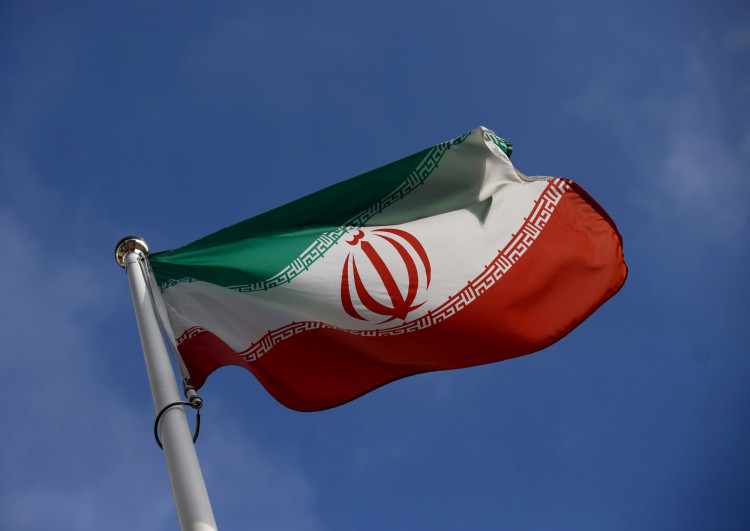
Iran-linked financial networks moved about $9 billion in potentially illicit transactions through U.S. correspondent bank accounts in 2024, according to an analysis by the Treasury Department's Financial Crimes Enforcement Network, highlighting how Tehran maintained indirect access to the dollar-based financial system despite extensive American sanctions.
FinCEN said foreign shell companies accounted for roughly $5 billion of the transactions, while dozens of foreign oil companies that appeared to be Iranian front companies handled about $4 billion. Companies potentially involved in procuring export-controlled technology conducted another $413 million in transactions, according to the agency.
The findings don't mean Iranian banks necessarily maintained accounts directly with American financial institutions. Instead, the transactions flowed through correspondent accounts that foreign banks use at U.S. institutions to settle international payments, giving Iranian-linked networks an indirect route into the dollar system.
That structure has allowed Tehran to build a financial network extending through major commercial centers outside Iran. FinCEN identified the United Arab Emirates, Hong Kong and Singapore as particularly important hubs and said the networks use shell, oil, shipping, investment and technology-procurement companies to transact with one another and with outside businesses that may or may not know they are dealing with Iranian-linked entities.
"Identifying Iran's complex financial lifelines and shadow networks is an essential part of cutting off the funding for their military, weapons programs, and terrorist proxies," FinCEN Director Andrea Gacki said when the analysis was released. "By issuing this public analysis, we hope to draw attention to Iran's shadow banking activity and encourage financial institutions to be vigilant."
Iran's oil exports have historically supplied much of the money entering those networks. Tehran developed an elaborate system of intermediaries, front companies, ship-to-ship transfers and tankers to continue selling crude despite U.S. restrictions, with China becoming the dominant buyer.
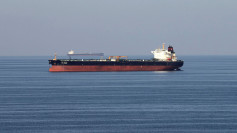
That trade has contracted sharply during the current U.S.-Iran conflict. Iranian crude loadings fell to an estimated 220,000 to 255,000 barrels a day in August from roughly 2 million barrels a day in March after a U.S. naval blockade effectively halted fresh crude exports through the Strait of Hormuz beginning in mid-July, according to Reuters, citing industry estimates. Iran has continued supplying some Chinese buyers with crude previously stored aboard tankers in Asian waters.
The disruption is reshaping energy flows well beyond Iran. China's overall seaborne crude imports remained roughly 40% below their pre-conflict level in August, while Chinese refiners have increased their reliance on Russian oil and other alternatives as supplies from the Middle East have tightened.
The Trump administration is simultaneously targeting the financial infrastructure that helped Iran work around earlier sanctions. Treasury officials have signaled additional measures against financial institutions and other entities accused of conducting business with Iran's Islamic Revolutionary Guard Corps as Washington attempts to further restrict Tehran's access to overseas funds.
One recent action illustrates how the government is focusing on correspondent banking. On Aug. 28, FinCEN proposed prohibiting U.S. financial institutions from maintaining correspondent accounts for Banque Misr's UAE operation, which the agency designated a foreign financial institution of "primary money laundering concern." The proposal would also require American banks to take steps to prevent their foreign correspondent accounts from being used to process transactions involving the UAE branch.
The campaign is unfolding as the Strait of Hormuz again becomes a focal point of the conflict. U.S. and Iranian forces have exchanged attacks involving tankers, while traffic through the waterway has fallen sharply. Brent crude traded around $97 a barrel Monday as markets assessed the risk that further attacks could restrict Middle Eastern energy exports.
The 2024 FinCEN figures predate the Trump administration's renewed "maximum pressure" campaign, which began in February 2025. They nevertheless illustrate the enforcement challenge facing Washington: sanctions can formally restrict Iran's access to U.S. banks while layered foreign companies and financial intermediaries can obscure the underlying parties until transactions have already entered correspondent banking channels.
FinCEN's analysis showed that shell companies operating outside the U.S. represented the largest single component of the suspected activity, moving approximately $5 billion during 2024. The agency said Iranian shadow networks use such companies not only to facilitate oil sales but also to move money, acquire restricted technology and support military and weapons programs.