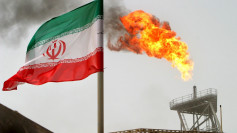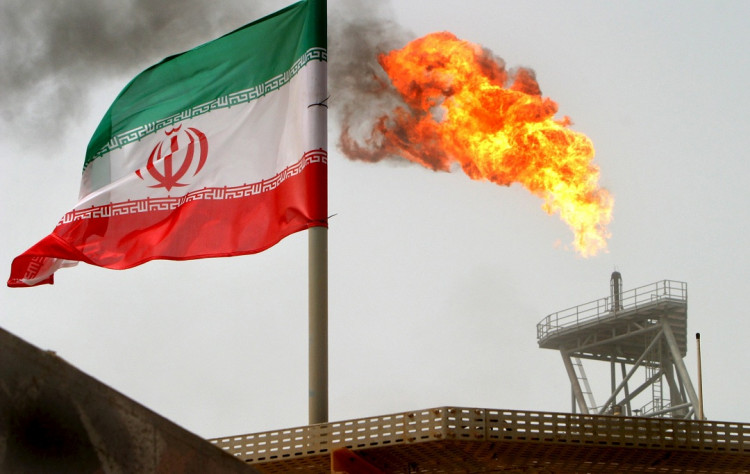
Global oil markets fell sharply Wednesday after reports emerged that a developing agreement between the United States and Iran could reopen the Strait of Hormuz to commercial shipping within a month, easing fears of a prolonged disruption to one of the world's most critical energy corridors.
Brent crude, the international benchmark, dropped 3.60% to $93.19 a barrel during morning trading, while West Texas Intermediate fell 4.78% to $89.38. The selloff reflected growing optimism among traders that negotiations between Washington and Tehran may prevent a wider energy shock after days of military escalation around the Gulf waterway.
According to Reuters, citing Iranian state television, the emerging framework would include the phased reopening of the Strait of Hormuz for civilian shipping traffic, the withdrawal of U.S. troops from areas near Iran and the end of Iran's naval blockade operations. The reported arrangement would not apply to military vessels.
Iranian state television also said the proposal "envisages Iran managing ship traffic through the strait in cooperation with Oman," though officials cautioned the framework has not yet been finalized. If negotiators secure a final agreement within 60 days, the arrangement could reportedly be submitted to the United Nations Security Council as a binding resolution.
The developments come as roughly one-fifth of global oil and liquefied natural gas shipments continue to move through the narrow Strait of Hormuz, making even temporary disruptions capable of rattling financial markets and energy supply chains across Europe and Asia.
U.S. officials have increasingly signaled that negotiations are moving forward despite recent military flare-ups. Marco Rubio said this week that an agreement with Iran could still require "a few more days" of negotiations.
"President Trump is either going to make a good deal or no deal," Rubio told reporters. "That may take a little while, I mean, a few more days."
Rubio's comments came shortly after U.S. Central Command confirmed American forces had carried out strikes against Iranian military positions during what officials continue describing as an active ceasefire period.
"Targets included missile launch sites and Iranian boats attempting to emplace mines. U.S. Central Command continues to defend our forces while using restraint during the ongoing ceasefire," CENTCOM spokesperson Capt. Tim Hawkins said Monday.
The Biden-era concern over energy inflation has now evolved into a broader Trump administration effort to stabilize shipping lanes while negotiating a larger geopolitical settlement with Tehran. Rubio directly connected recent U.S. military operations to the administration's insistence that commercial traffic through Hormuz remain unrestricted.
"That needs to be open, unimpeded, without tolls," Rubio said, referring to the strait. "And obviously that needs to happen immediately as soon as anything's agreed to."
Iranian officials have taken a more cautious tone publicly, balancing openness to negotiations with repeated warnings that Tehran retains the right to retaliate militarily if it believes the ceasefire is violated. The Islamic Revolutionary Guard Corps issued a statement asserting that it considers "its right to reciprocal response to be legitimate and certain."
The IRGC also claimed responsibility for downing an American drone and firing on other aircraft allegedly entering Iranian airspace, although it provided no details regarding timing or evidence tied to those incidents.
For energy markets, the significance of the reported framework lies less in the diplomatic language and more in the practical implications for tanker traffic and insurance costs. Shipping rates and crude futures had surged earlier in the conflict amid fears Iran could attempt to fully block Hormuz or impose fees on commercial vessels transiting the route.