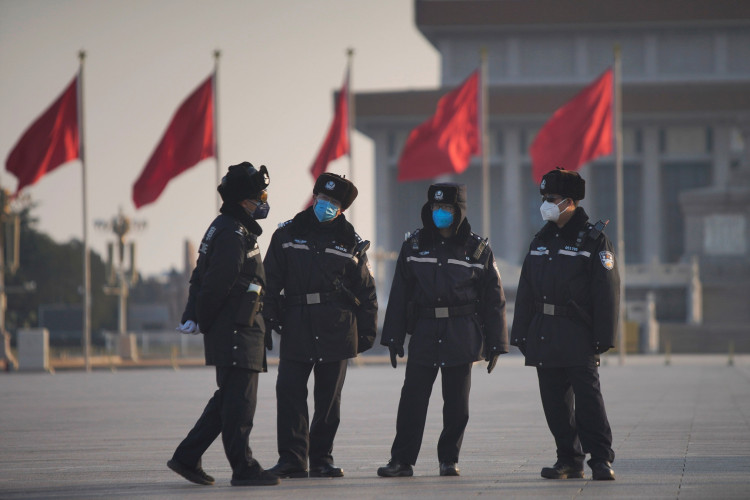
Chinese authorities prevented relatives of victims of the 1989 Tiananmen Square crackdown from visiting graves in Beijing this week, marking a significant escalation in restrictions surrounding one of the country's most politically sensitive anniversaries.
The move, reported by The Independent and criticized by Amnesty International, affected members of the Tiananmen Mothers, a group of relatives whose children and family members were killed during the military suppression of pro-democracy demonstrations in Beijing on June 4, 1989. For decades, many of those families had been permitted to visit a cemetery under police supervision to mourn privately and read memorial statements.
This year, that practice was reportedly halted.
According to a person familiar with the matter who spoke anonymously due to concerns about reprisals, police informed family members that they would not be allowed to enter the cemetery during this year's anniversary commemorations. Amnesty International described the decision as part of a broader effort to further restrict public remembrance of the events surrounding Tiananmen Square.
Sarah Brooks, Amnesty International's deputy regional director for Asia, called the decision "a heartless act by the Chinese authorities."
The restrictions come 37 years after Chinese troops moved into central Beijing to end weeks of student-led demonstrations calling for political reform and greater freedoms. While the exact death toll remains disputed, international organizations, foreign governments, and eyewitness accounts have long estimated that hundreds, and potentially thousands, of people were killed during the crackdown.
Discussion of the events has remained heavily censored inside mainland China ever since. References to June 4 are routinely removed from social media platforms, online searches are filtered, and public commemorations are prohibited.
Ahead of this year's anniversary, the Tiananmen Mothers released their annual appeal calling for official recognition of the victims, compensation for families, and accountability for those responsible for the military action. The group has issued similar statements for years despite increasing political pressure.
One member of the organization, Zhang Xianling, spoke about the lasting impact of the tragedy, saying the grief families carry remains deeply embedded decades later. Her comments circulated on overseas platforms but remained inaccessible on most Chinese internet services.
The tightening restrictions extended beyond Beijing. In Hong Kong, where annual candlelight vigils once attracted tens of thousands of participants, police maintained a visible security presence around locations associated with previous commemorations. The city's Victoria Park vigil, once the largest public remembrance event related to Tiananmen anywhere on Chinese soil, has not been permitted since 2020.
Authorities have also acted against symbolic acts of remembrance. According to reports and witness accounts, police intervened in separate incidents involving performance artists on the eve of the anniversary, including one individual carrying a question-mark-shaped balloon.
International leaders also used the anniversary to criticize China's handling of the historical event. U.S. Secretary of State Marco Rubio issued a statement declaring that "no amount of censorship can erase the past," while expressing support for those who continue to advocate for freedom of expression and peaceful assembly.