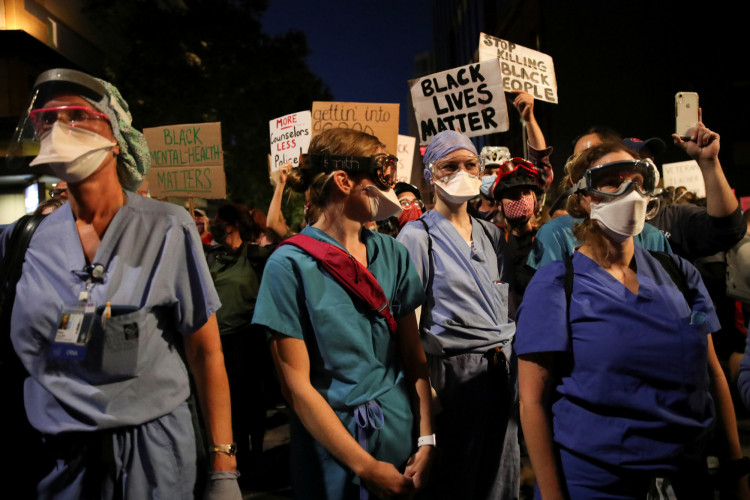
Approximately 4,000 unionized nurses at Brigham and Women's Hospital walked off the job Wednesday in what labor leaders describe as the largest nurses strike in Massachusetts history, escalating a months-long contract dispute with hospital operator Mass General Brigham over wages, health insurance costs and workplace conditions.
Although the strike is scheduled to last one day, its effects are expected to extend well beyond the initial walkout. Mass General Brigham has contracted temporary replacement nurses for several days, meaning striking employees will remain locked out until July 13 unless the two sides reach an earlier agreement.
The labor dispute has become one of the most closely watched healthcare contract battles in the state, reflecting broader tensions facing hospitals nationwide as employers and healthcare workers continue to negotiate compensation, staffing levels and rising operating costs in the years following the COVID-19 pandemic.
Mass General Brigham said it hired nearly 1,300 temporary nurses to maintain patient care throughout the disruption. Hospital officials said most surgeries, appointments and inpatient services would continue as planned unless patients were notified directly of scheduling changes.
The hospital acknowledged that some outpatient services have been postponed, while the Foxborough Surgery Center will remain closed through Friday because of the staffing transition.
The Massachusetts Nurses Association (MNA), which represents the striking nurses, argues that negotiations reached an impasse after the hospital refused to provide adequate wage increases while asking employees to shoulder higher health insurance costs. Union leaders also criticized the hospital's decision to spend millions of dollars on temporary replacement workers rather than increasing investment in its permanent workforce.
"We need to be inside taking care of our patients, not out here," union representative Jennifer DeVincent told CBS News. "This is on the Brigham, not on us."
Hospital management disputes that characterization, arguing that Brigham and Women's nurses already rank among the highest-paid in the country. According to Mass General Brigham, registered nurses receive automatic annual 5% step increases as they progress through a 22-level compensation system, with average annual earnings exceeding $147,000.
Hospital officials also contend that the union's proposed wage package would substantially increase long-term operating expenses.
According to Mass General Brigham, the Massachusetts Nurses Association's proposal would add approximately $128 million in labor costs over the duration of the contract while permanently increasing the hospital's compensation structure.
The hospital further noted that Brigham nurses represent roughly 18% of its workforce but account for more than 40% of labor costs after overtime, shift differentials and other compensation are included.
The dispute unfolds against a backdrop of continuing workforce challenges throughout the healthcare industry. Hospitals across the United States have struggled with recruitment, retention and escalating labor expenses since the pandemic, leading to increasingly contentious contract negotiations between healthcare systems and organized labor.
The strike also coincides with another labor dispute within the Mass General Brigham network. Approximately 450 employees of Mass General Brigham Home Care are simultaneously seeking their first collective bargaining agreement, adding to pressure on one of New England's largest healthcare organizations.