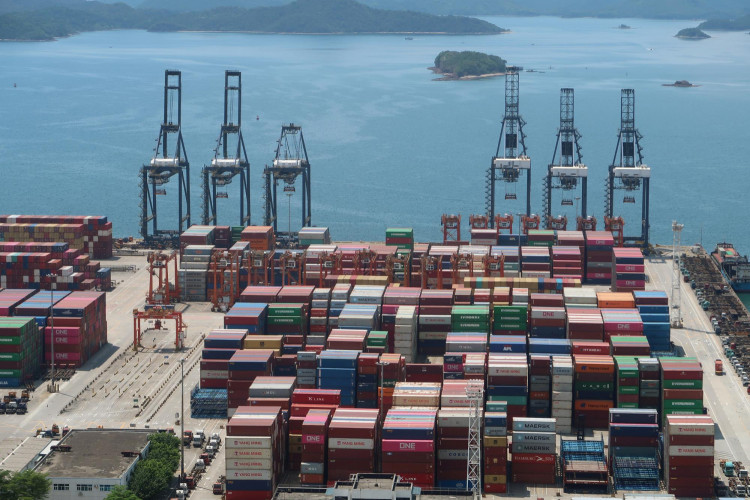
China's exports rebounded sharply in November, rising 5.9% year-over-year to $330.3 billion and pushing the country's trade surplus above $1 trillion for the first time, even as shipments to the United States plunged nearly 29%, according to customs data released Monday. The figures underscore Beijing's growing reliance on diversified export markets as U.S. demand continues to weaken.
The data showed China's trade surplus reached nearly $1.08 trillion in the first 11 months of the year-surpassing the previous full-year record of $992 billion set in 2024, according to FactSet. Imports climbed 1.9% to $218.6 billion, reflecting modest domestic demand amid a prolonged slump in the property sector.
Economists had expected a rebound after October's 1.1% contraction in exports, but the scale of the recovery surprised forecasters. Still, shipments to the U.S. recorded an eighth straight month of double-digit declines, highlighting the continued impact of what has become a structural downturn in bilateral trade flows. Exports instead surged to Southeast Asia, Latin America, Africa and the European Union, helping offset the U.S. weakness.
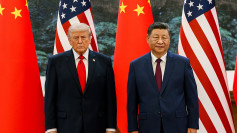
The November data came shortly after U.S. President Donald Trump and Chinese leader Xi Jinping agreed to a year-long trade truce during an October meeting in South Korea. Washington has lowered tariffs on a set of Chinese imports, and Beijing agreed to halt export controls on rare earth materials. "It's likely that November exports have yet to fully reflect the tariff cut, which should feed through in the coming months," ING Bank chief economist Lynn Song wrote.
Yet signs of fragility remain. China's official manufacturing survey recorded an eighth month of contraction in November, raising questions about whether global demand is truly recovering or merely stabilizing after a turbulent year. Economists say China is still poised to reach its roughly 5% growth target for 2025, buoyed by external demand even as domestic consumption lags.
Chinese policymakers are signaling a multiyear shift toward advanced manufacturing, including electric vehicles, robotics and next-generation batteries. A Politburo meeting led by Xi on Monday emphasized "pursuing progress while ensuring stability" while preparing economic plans for 2026, according to the state-run Xinhua News Agency. The agenda includes boosting domestic consumption to reduce structural imbalances and insulating China against global "trade struggles."
Global market strategist Chi Lo of BNP Paribas Asset Management warned that the temporary trade truce is unlikely to usher in long-term stability. U.S.-China relations "remain in a stalemate," he said, arguing that geopolitical headwinds will continue reshaping supply chains and trade policy. Still, some economists remain optimistic about Beijing's global export trajectory.
Morgan Stanley forecasts China will expand its share of global exports to 16.5% by 2030, up from about 15% today. Chetan Ahya, the bank's chief Asia economist, wrote that "despite persistent trade tensions, continued protectionism, and G20 economies taking up active industrial policies, we believe China will gain more share in the global goods export market."