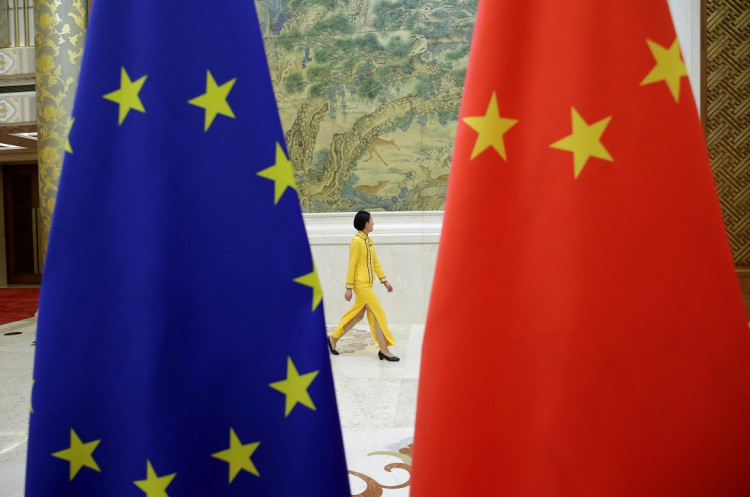
China said it will impose tariffs of up to 42.7% on dairy products imported from the European Union, escalating a trade dispute that has widened since Brussels moved to penalize Chinese electric vehicle exports last year. The duties, announced Monday by China's Ministry of Commerce, are scheduled to take effect on Dec. 23 and apply to a broad range of European milk and cheese products, including protected-origin varieties such as Roquefort and gorgonzola.
The tariffs follow a preliminary conclusion of an anti-subsidy investigation launched by Beijing in August 2024. Chinese officials said they found evidence that EU dairy subsidies caused "substantial damage" to China's domestic dairy industry, which has been struggling with oversupply, falling prices and weakening demand tied to declining birthrates.
Under the decision, tariff rates will range from 21.9% to 42.7%, depending on the exporter's level of cooperation with the investigation. Companies that participated and provided information will generally face duties of about 28.6%, while those that declined to cooperate will be subject to the maximum rate.
Products affected include fresh and processed milk, cream and cheeses, including blue cheeses aged under protected designation of origin rules. The measures cover roughly $589 million worth of EU dairy exports to China based on last year's trade flows, according to Chinese customs data.
The European Commission sharply criticized the move. Olof Gill, a Commission spokesperson, said the bloc views the investigation as "unjustified and unwarranted," adding that Brussels believes the case is "based on questionable allegations and insufficient evidence." The Commission said it would submit formal comments to Chinese authorities.
The dairy action adds to a growing list of Chinese trade measures targeting EU agricultural and food exports, widely viewed in Brussels as retaliatory. Tensions intensified in October when the EU imposed tariffs of up to 45% on Chinese-made electric vehicles following its own anti-subsidy probe. Beijing subsequently launched investigations into EU brandy, pork and dairy products.
Key elements of China's dairy tariff decision include:
- Tariff range: 21.9% to 42.7%, applied provisionally
- Cooperating firms: Mostly subject to duties between 28.6% and 29.7%
- Lowest rate: 21.9% for Italy's Sterilgarda Alimenti SpA
- Highest rate: 42.7% for exporters that did not participate in the probe
- Covered imports: Milk, cream and cheeses, including protected EU brands
About 60 European companies will be affected. Danish dairy group Arla Foods, which owns brands such as Lurpak and Castello, will face tariffs near 29%. FrieslandCampina entities in Belgium and the Netherlands will pay the highest rate.
The decision is provisional and could be adjusted in a final ruling, mirroring Beijing's recent approach to pork. Last week, China significantly reduced final duties on EU pork imports after initially imposing temporary tariffs of up to 62.4%.
Chinese authorities argue the measures are necessary to stabilize a domestic dairy sector grappling with a milk glut and falling farm-gate prices. China is the world's third-largest milk producer, and regulators last year urged farmers to curb output and reduce herds of older, less productive cows.