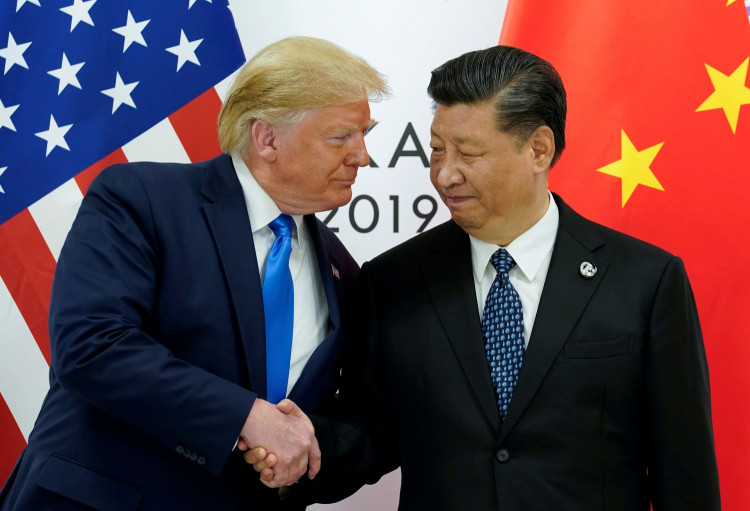
Donald Trump returned from a closely watched summit in Beijing without securing major agreements on trade, Iran or regional security, after Xi Jinping and senior Chinese officials treated the visit with a level of restraint that analysts described as diplomatically significant.
What the White House had promoted as a landmark moment in US-China relations instead concluded with no signed deals, no joint declaration and no visible concessions from Beijing, underscoring the increasingly limited leverage Washington appears to hold in negotiations with China after years of escalating economic confrontation.
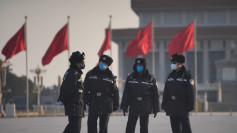
The tone was set before formal talks even began. Upon arrival in Beijing, Trump was not greeted by Xi or other top-ranking Chinese leadership figures, a break from the highly choreographed welcomes typically associated with major state visits between global powers.
Instead, lower-level officials handled the reception, a move diplomatic observers interpreted as a calculated signal from Beijing that the summit would be tightly managed and deliberately modest in expectations.
In Chinese political protocol, symbolism matters almost as much as policy. Analysts noted that the absence of Xi at the airport communicated that Beijing viewed the meeting less as a transformational diplomatic opportunity and more as a routine engagement designed to stabilize relations without fundamentally changing them.
That restrained approach continued throughout the summit. Despite public discussion beforehand about possible breakthroughs on tariffs, supply chains, Taiwan and Iran, officials familiar with the talks described the meetings as procedural and heavily controlled.
Rather than negotiating sweeping agreements, both governments appeared focused on preventing further deterioration in relations between the world's two largest economies.
Trump nonetheless tried to project optimism publicly during the visit. At the opening session inside the Great Hall of the People, he praised Xi repeatedly and described the bilateral relationship in unusually warm terms.
"You're a great leader. I say it to everybody," Trump told Xi. "We've had a fantastic relationship."
He later added: "Whenever we had a problem, we worked it out very quickly, and we're going to have a fantastic future together."
Behind the diplomatic language, however, China showed little indication it was prepared to shift its position on core strategic disputes.
Key American priorities reportedly included:
- Reducing trade imbalances
- Securing broader cooperation related to Iran
- Pressuring Beijing over regional security concerns
- Expanding market access for US companies
None produced visible policy changes.
No new trade framework emerged from the talks, despite the economic damage inflicted by the tariff war launched after Trump's return to office in 2025. The administration had previously imposed tariffs reaching 145% on some Chinese imports, triggering retaliatory measures from Beijing and sharply reducing bilateral trade flows.
China, meanwhile, entered the summit from a stronger economic position than many in Washington had anticipated. Beijing deepened trade relationships across Asia, the Middle East and Latin America during the tariff conflict while strengthening control over critical supply chains, including rare earth minerals vital to American manufacturing and technology sectors.
That broader geopolitical backdrop appeared to shape the summit's dynamic. Chinese officials signaled privately and publicly that Beijing no longer viewed itself as negotiating from a position of weakness.
Chinese Foreign Ministry statements following the meetings emphasized stability and "constructive strategic relations," but stopped short of announcing any concessions to US demands.
Xi himself framed the relationship in long-term strategic terms rather than transactional bargaining. "The whole world is watching our meeting," Xi said during formal remarks, warning of what he described as global instability and "transformation not seen in a century."
He also reiterated Beijing's position on Taiwan, which Chinese officials described as "the most important issue in China-US relations."
The American side released only limited public details about the negotiations, fueling speculation among critics that the administration left Beijing without substantive achievements.
Several analysts noted that even the optics of the summit favored China. State media coverage in Beijing portrayed Xi as calm, disciplined and firmly in control of the diplomatic environment, while Trump's visit was treated as one stop within China's broader global agenda rather than a defining geopolitical event.
That perception marked a striking contrast from earlier eras of US-China diplomacy, when presidential summits were often framed as pivotal moments capable of reshaping global markets or strategic alignments.
Now, officials on both sides increasingly appear focused on managing rivalry rather than resolving it.