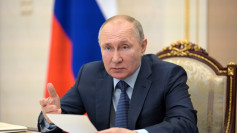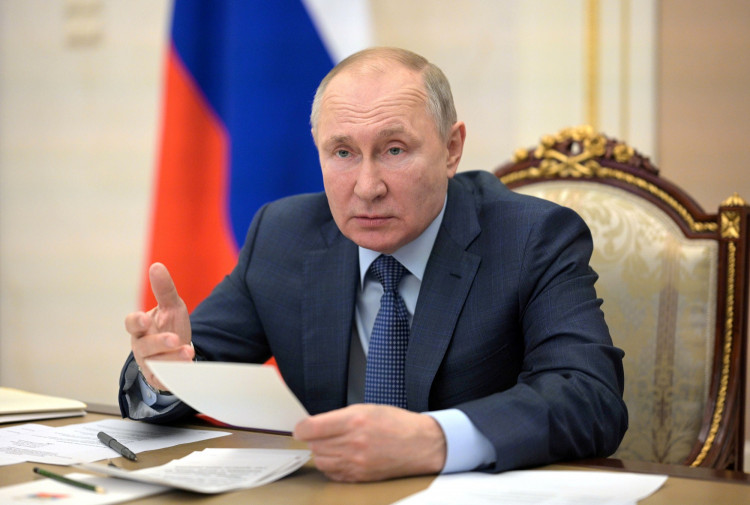
Russian President Vladimir Putin is increasingly determined to intensify the war in Ukraine rather than pursue a ceasefire, according to Reuters, even as President Donald Trump expresses optimism that negotiations could bring the conflict closer to an end. The diverging assessments come as Ukraine expands long-range strikes deep inside Russian territory and both sides seek military advantages ahead of any potential diplomatic breakthrough.
Reuters, citing three sources familiar with Kremlin thinking, reported that recent Ukrainian battlefield successes have strengthened Putin's resolve to continue military operations. One source told the news agency there is a "high probability" the conflict will escalate in the coming months as Moscow pursues its objective of capturing the entirety of Ukraine's Donbas region.
According to Reuters, Putin has repeatedly rejected proposals to freeze the conflict along existing front lines. One source said the Russian leader dismissed suggestions for a ceasefire based on current territorial control, signaling that the Kremlin remains committed to pursuing broader military objectives despite mounting costs on the battlefield.
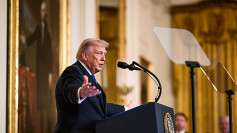
The Reuters report contrasts sharply with remarks made by President Donald Trump during the NATO summit in Turkey. After meeting Ukrainian President Volodymyr Zelensky, Trump struck a more optimistic tone about prospects for ending the conflict.
Trump said Putin wants the war to end and suggested that a positive outcome is "closer than people realize." Zelensky later said he and Trump discussed "ideas to bring peace closer," highlighting ongoing diplomatic contacts even as fighting continues across multiple fronts.
At the same summit, Trump announced that the United States would authorize Ukraine to develop Patriot missile technology domestically, although he indicated Washington would not provide additional Patriot missile systems because the United States also requires the equipment.
Speaking alongside Zelensky, Trump said the United States would show Ukraine "how to do it."
"It's very complex actually. But it's - you'll figure out the complexity quickly," Trump added.
The proposed technology transfer could eventually strengthen Ukraine's air-defense capabilities, but analysts note that establishing domestic production would likely require considerable time. In the meantime, Kyiv continues to face shortages of interceptor missiles capable of defending against Russian ballistic attacks.
Ukraine's air-defense challenges were highlighted earlier this week when Russia launched an attack involving 23 ballistic missiles. According to the report, Ukraine was unable to intercept any of them, underscoring growing concerns over dwindling supplies of advanced defensive weapons.
Zelensky has continued pressing Western allies for additional Patriot systems and interceptors, arguing that stronger air defenses remain essential to protecting civilians.
"As long as Patriot missiles remain in our allies' stockpiles, Russia is only encouraged to keep 'vanquishing' residential buildings," Zelensky said.
He added: "It is critically important that the world - first and foremost the United States and our European partners - come out of the NATO Summit in Ankara with strong decisions in support of our air defense, and thus the protection of ordinary people's lives."
While Ukraine seeks greater protection from Russian missile attacks, it has simultaneously expanded offensive operations inside Russia, particularly against the country's energy infrastructure. Ukrainian officials argue that refineries, fuel depots and oil terminals are legitimate military targets because energy revenues help finance Russia's war effort.
Recent operations have focused on strategic energy assets across Russia. According to the report, Ukrainian strikes on July 4 targeted the St. Petersburg Oil Terminal and facilities in the Leningrad region. Previous attacks have also struck major energy infrastructure in Yaroslavl, Tuapse and Krasnodar Krai.