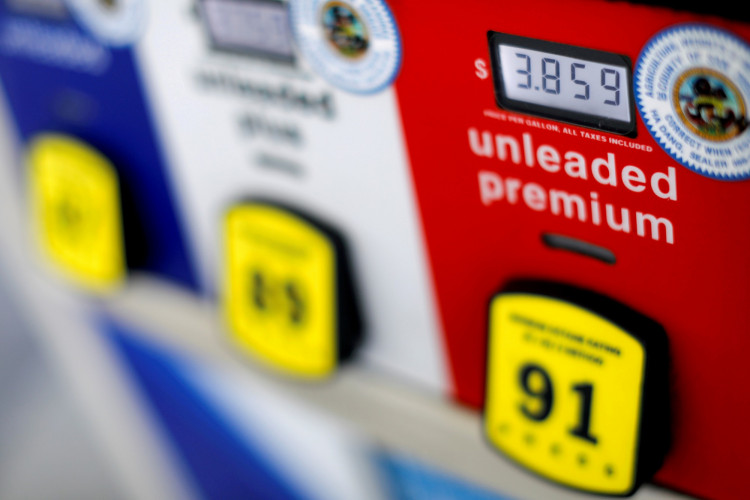
The White House on Wednesday highlighted the opening of a new gas station in Philadelphia selling fuel below the national average, presenting it as part of President Donald Trump's broader campaign to lower gasoline prices while intensifying criticism of energy companies over what he has described as excessive pricing.
The announcement comes as fuel markets remain volatile following renewed tensions between the United States and Iran. Although gasoline prices have retreated from recent highs, Trump has continued to argue that oil companies and retailers have been too slow to pass lower crude oil costs on to consumers.
In a social media post, the White House said the "FIRST Freedom Fuel Network gas station has LANDED in Philadelphia, lowering the price at the pump to $3.47 for our 47th President."
The post added: "President Trump is leading the charge to lower gas prices this summer - putting more money in your pocket."
According to a White House spokesperson who spoke with CBS News, the Freedom Fuel Network is a privately owned company operating 25 gas stations across Pennsylvania and New Jersey. The spokesperson said the federal government is not subsidizing the lower prices and attributed the discounts to the company's decision to operate with slimmer profit margins rather than government assistance.
The pricing stands out against broader market conditions. According to AAA, the national average price for a gallon of regular gasoline was $3.80 on Wednesday, after exceeding $4.50 per gallon in mid-May. While prices have eased from those peaks, they have moved higher again in recent days as geopolitical tensions have returned to global energy markets.
Trump has repeatedly accused major U.S. energy companies of failing to reduce gasoline prices quickly enough despite declines in crude oil following the ceasefire agreement previously reached between Washington and Tehran. He has argued that consumers should see faster relief at the pump when wholesale energy costs fall.
Last week, Trump also broadened his criticism beyond oil producers, warning retailers to reduce fuel prices and saying there would be "big problems" if they failed to do so.
The administration's pricing complaints coincide with developments overseas that have drawn renewed attention to fuel-market competition. CNBC reported that South Korean prosecutors indicted four of the country's largest oil refiners on allegations they violated fair-trade laws by coordinating domestic fuel prices.
According to CNBC, the companies involved are:
- HD Hyundai Oilbank
- SK Energy
- GS Caltex
- S-Oil
Local news agency Yonhap reported that prosecutors accused HD Hyundai Oilbank and SK Energy of coordinating fuel sales valued at more than $9 billion, while alleging GS Caltex and S-Oil followed similar pricing patterns, nearly doubling the overall market impact.
Prosecutors said the alleged conduct intensified after fighting began between the United States and Iran but argued the practice reflected a broader pattern rather than an isolated episode linked solely to the conflict.
A senior executive from a U.S. energy company rejected suggestions that American fuel suppliers were engaging in similar conduct, according to the report. No evidence was presented linking U.S. refiners or retailers to the allegations involving South Korea.
The fuel-price debate is unfolding alongside renewed military tensions in the Middle East. Prices have climbed again after hostilities between the United States and Iran resumed, raising concerns that any disruption to global oil supplies could reverse recent declines at the pump.
Speaking aboard Air Force One while returning to the United States, Trump said he did not "know" whether the conflict would escalate into another full-scale war, although he maintained that Tehran "badly" wants to de-escalate the situation.
Trump also said that if broader fighting were to occur, the United States would "win it very quickly."