Brett Wattles

The Latest
-
Trump’s ‘Mysterious Bulge’ Resurfaces in North Carolina as White House Slams ‘Baseless’ Theories
President Donald Trump's appearance in North Carolina has revived an unusual online mystery after footage showed a rigid-looking, box-shaped outline beneath the back of his suit jacket, prompting theories about everything from a brace to a mechanical walking aid. The White House has rejected the speculation, and no medical report or other primary evidence has established what caused the visible shape. 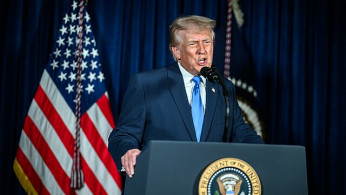
President Donald Trump's appearance in North Carolina has revived an unusual online mystery after footage showed a rigid-looking, box-shaped outline beneath the back of his suit jacket, prompting theories about everything from a brace to a mechanical walking aid. The White House has rejected the speculation, and no medical report or other primary evidence has established what caused the visible shape. -
Trump’s Waistline Bulge Fuels Exoskeleton Claims, but White House Calls Theory ‘Baseless’
President Donald Trump's appearance at Charlotte Douglas International Airport in North Carolina has revived online speculation about an unexplained outline beneath his suit, including unsupported claims that the 80-year-old president uses a concealed mobility device. The White House rejected the theory, while Trump's most recent medical examination recorded normal gait and balance. 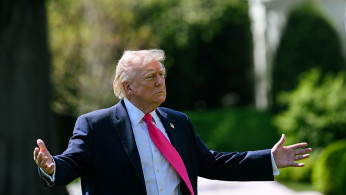
President Donald Trump's appearance at Charlotte Douglas International Airport in North Carolina has revived online speculation about an unexplained outline beneath his suit, including unsupported claims that the 80-year-old president uses a concealed mobility device. The White House rejected the theory, while Trump's most recent medical examination recorded normal gait and balance. -
Trump’s Swollen Ankles Draw Fresh Attention at 9/11 Ceremony After Chronic Venous Insufficiency Diagnosis
President Donald Trump's appearance at the Pentagon's 25th-anniversary commemoration of the Sept. 11 attacks renewed attention to his health Friday, after photographs appeared to show swelling around his ankles. Trump, 80, was diagnosed last year with chronic venous insufficiency, a condition that can cause swelling in the lower legs, though photographs from the ceremony alone can't establish whether his condition has changed. 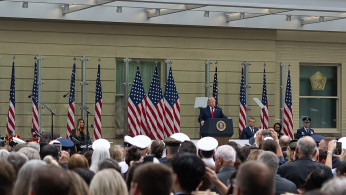
President Donald Trump's appearance at the Pentagon's 25th-anniversary commemoration of the Sept. 11 attacks renewed attention to his health Friday, after photographs appeared to show swelling around his ankles. Trump, 80, was diagnosed last year with chronic venous insufficiency, a condition that can cause swelling in the lower legs, though photographs from the ceremony alone can't establish whether his condition has changed. -
Measles Kills Two in Pennsylvania as Lancaster County MMR Vaccination Rate Falls to 87.6%
Two unvaccinated Lancaster County residents died from measles Tuesday, marking Pennsylvania's first measles-associated deaths in 35 years and the first reported U.S. measles fatalities of 2026, according to the Pennsylvania Department of Health. The deaths come as the state battles its largest outbreak in decades, with 393 confirmed cases across 29 counties and 70 hospitalizations. 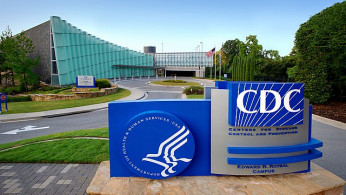
Two unvaccinated Lancaster County residents died from measles Tuesday, marking Pennsylvania's first measles-associated deaths in 35 years and the first reported U.S. measles fatalities of 2026, according to the Pennsylvania Department of Health. The deaths come as the state battles its largest outbreak in decades, with 393 confirmed cases across 29 counties and 70 hospitalizations. -
Cardiologist Questions Trump Health Disclosures After 22 Specialists Joined Walter Reed Evaluation
President Donald Trump's health disclosures are facing renewed scrutiny after prominent cardiologist Dr. Jonathan Reiner questioned the White House's explanations for the president's bruised hands, leg swelling and episodes of apparent drowsiness, while highlighting a medical evaluation that reportedly involved 22 specialist consultants. 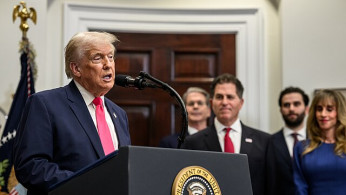
President Donald Trump's health disclosures are facing renewed scrutiny after prominent cardiologist Dr. Jonathan Reiner questioned the White House's explanations for the president's bruised hands, leg swelling and episodes of apparent drowsiness, while highlighting a medical evaluation that reportedly involved 22 specialist consultants. -
Fox News Camera Zoom on Trump’s Hand Sparks Online Frenzy as White House Repeats Bruising Explanation
President Donald Trump's bruised right hand became the center of an online health debate Thursday after television footage from Sen. Lindsey Graham's funeral in Washington appeared to show a camera moving in for a close-up of the discoloration. The moment circulated rapidly on social media, shifting attention from the memorial service to renewed speculation about the 80-year-old president's physical condition. President Donald Trump's bruised right hand became the center of an online health debate Thursday after television footage from Sen. Lindsey Graham's funeral in Washington appeared to show a camera moving in for a close-up of the discoloration. The moment circulated rapidly on social media, shifting attention from the memorial service to renewed speculation about the 80-year-old president's physical condition. -
Canada Wildfire Smoke Chokes New York, Midwest as Heat Dome Pushes AQI to Hazardous Levels
Canadian wildfire smoke has once again spread across the United States, degrading air quality from the Upper Midwest to the Northeast as a persistent heat dome traps pollution near the surface. The deteriorating conditions have prompted health warnings across major metropolitan areas including New York City, Minneapolis, Detroit, Scranton and Toronto, where officials say millions of residents are breathing air that ranges from unhealthy to hazardous. 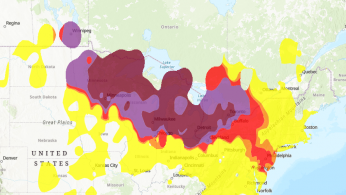
Canadian wildfire smoke has once again spread across the United States, degrading air quality from the Upper Midwest to the Northeast as a persistent heat dome traps pollution near the surface. The deteriorating conditions have prompted health warnings across major metropolitan areas including New York City, Minneapolis, Detroit, Scranton and Toronto, where officials say millions of residents are breathing air that ranges from unhealthy to hazardous. -
Ex-Trump Aide Anthony Scaramucci Says Trump Isn't Suffering From Dementia but Warns He's 'Genuinely Unwell'
Former White House communications director Anthony Scaramucci has rejected speculation that President Donald Trump is suffering from dementia, while simultaneously arguing that the president is "genuinely unwell" because of his conduct and public rhetoric rather than any confirmed cognitive disease. 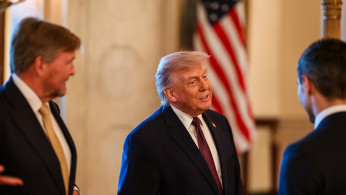
Former White House communications director Anthony Scaramucci has rejected speculation that President Donald Trump is suffering from dementia, while simultaneously arguing that the president is "genuinely unwell" because of his conduct and public rhetoric rather than any confirmed cognitive disease. -
'Flesh-Eating' Bacteria Warnings Grow Before July Fourth as Critics Question Trump Health Surveillance Cuts
Public health officials are urging Americans to take extra precautions before heading to beaches for the Independence Day holiday after dangerous Vibrio vulnificus bacteria were detected in coastal waters off New York and infections continued to be reported across Gulf Coast states, renewing debate over whether recent changes to federal disease surveillance have weakened the nation's ability to monitor emerging health threats. Public health officials are urging Americans to take extra precautions before heading to beaches for the Independence Day holiday after dangerous Vibrio vulnificus bacteria were detected in coastal waters off New York and infections continued to be reported across Gulf Coast states, renewing debate over whether recent changes to federal disease surveillance have weakened the nation's ability to monitor emerging health threats. -
New Book Claims Trump Pressed White House to Address Swollen Ankles Amid Growing Health Scrutiny
President Donald Trump privately pushed aides to respond to media coverage of his swollen ankles and considered having the issue addressed from the White House briefing room, according to a new book that examines concerns about the president's health during his second term. President Donald Trump privately pushed aides to respond to media coverage of his swollen ankles and considered having the issue addressed from the White House briefing room, according to a new book that examines concerns about the president's health during his second term.
